
How to Protect Skin from the Sun: 15 Essential Tips for Healthy, Youthful Skin
Introduction
How to Protect Skin from the Sun.
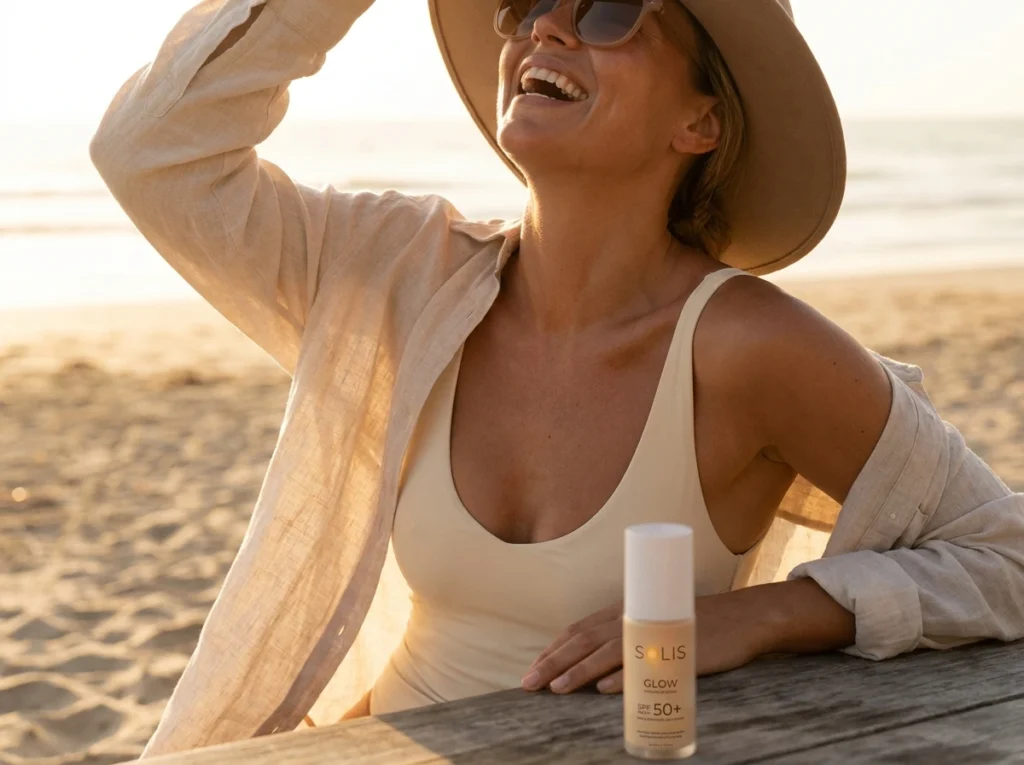
Spending time outdoors can boost your mood, provide vitamin D, and encourage an active lifestyle. However, too much sun exposure can damage your skin in ways that are not always visible immediately. Ultraviolet (UV) rays can lead to sunburn, premature aging, dark spots, uneven skin tone, and increase the risk of skin cancer.
The good news is that protecting your skin from the sun doesn’t mean avoiding outdoor activities altogether. With the right habits, clothing, and skincare products, you can enjoy sunny days while keeping your skin healthy and youthful.
In this guide, you’ll learn why sun protection matters, how UV rays affect your skin, and the most effective daily habits to reduce sun damage.
Table of Contents
Why Sun Protection Is Important
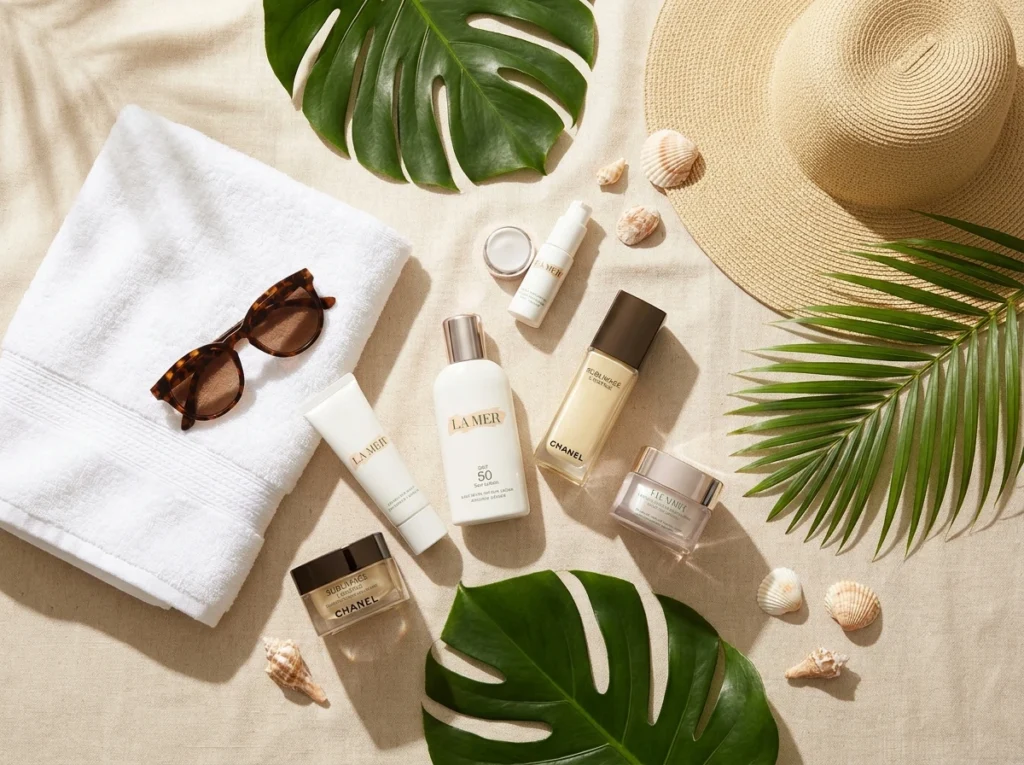
The sun emits ultraviolet radiation that reaches your skin every day—even when it’s cloudy.
There are two main types of UV rays that affect the skin:
UVA Rays
UVA rays penetrate deep into the skin and are mainly responsible for premature aging, wrinkles, and loss of elasticity. They are present throughout the year and can pass through glass.
UVB Rays
UVB rays primarily affect the outer layer of the skin and are the main cause of sunburn. Long-term exposure also increases the risk of skin cancer.
Protecting your skin from both UVA and UVB rays is essential for maintaining a healthy complexion.
1. Apply Sunscreen Every Day
Sunscreen is your first line of defense against UV damage.
Choose a broad-spectrum sunscreen with an SPF of 30 or higher to protect against both UVA and UVB rays.
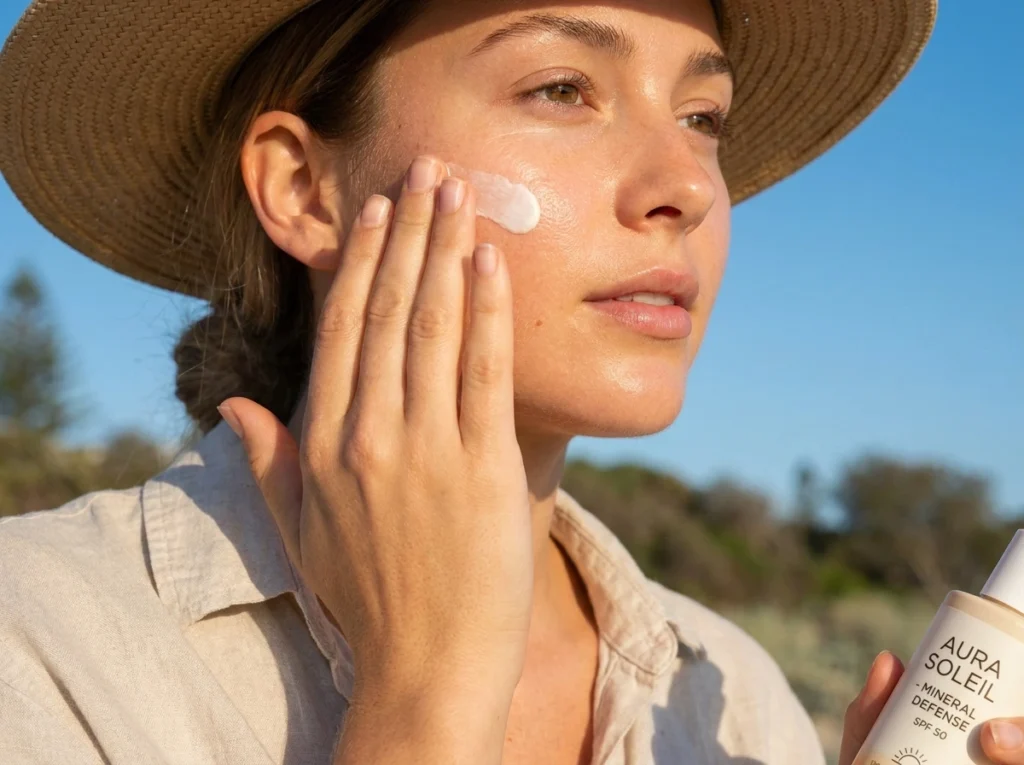
Apply sunscreen generously to your face, neck, ears, and any exposed skin about 15 to 30 minutes before going outside.
2. Reapply Sunscreen Regularly
Many people apply sunscreen only once in the morning, but its protection decreases over time.
Reapply every two hours when outdoors, and more often if you’re swimming, sweating, or towel drying.
Keeping a travel-size sunscreen in your bag makes reapplication easier.
3. Wear Protective Clothing
Clothing provides an extra layer of defense against UV rays.
Choose:
- Long-sleeved shirts
- Lightweight breathable fabrics
- Wide-brim hats
- UV-protective sunglasses
These items help protect your face, neck, shoulders, and eyes from prolonged sun exposure.

4. Seek Shade During Peak Sun Hours
The sun’s rays are usually strongest between 10:00 AM and 4:00 PM.
Whenever possible, stay in the shade during these hours, especially if you’ll be outside for an extended period.
Trees, umbrellas, and covered areas can significantly reduce direct UV exposure.
5. Don’t Forget Your Lips
Your lips are sensitive to UV damage.
Use a lip balm that contains SPF to protect against dryness, sunburn, and long-term damage.
Reapply it throughout the day, especially after eating or drinking.
6. Protect Your Eyes
UV rays can also affect your eyes.
Wear sunglasses that block 100% of UVA and UVB rays to help protect your eyes and the delicate skin around them.
Wraparound styles provide additional coverage.
7. Stay Hydrated
Sun exposure and heat can increase water loss from your body.
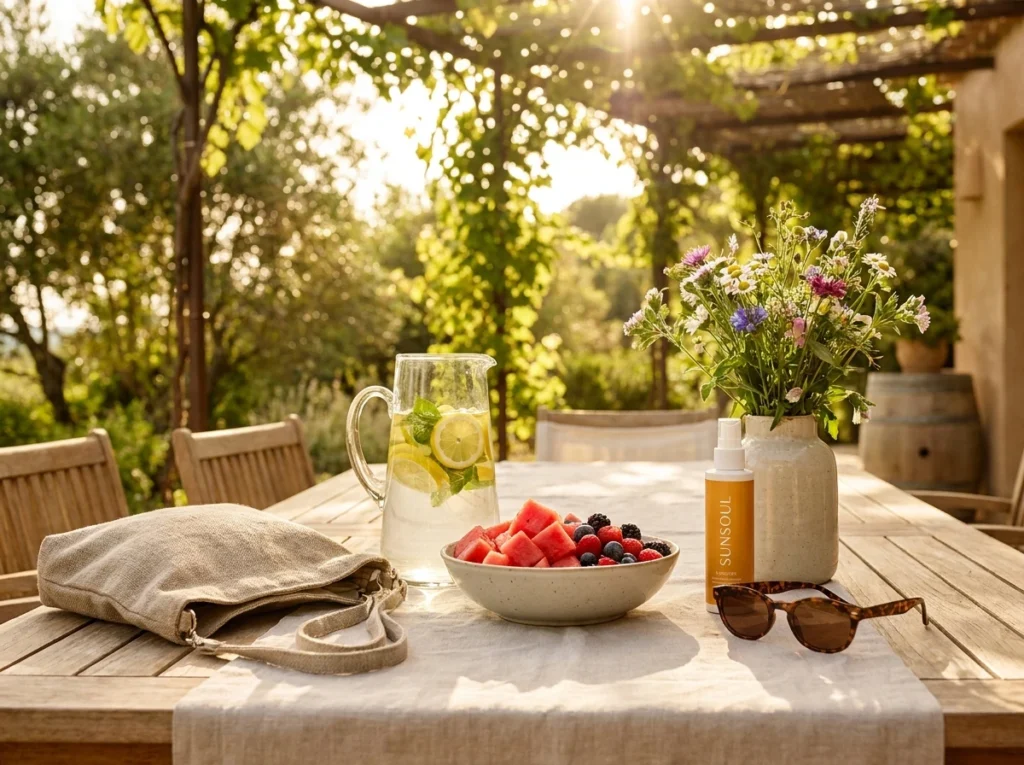
Drink plenty of water throughout the day to help maintain your skin’s natural moisture and support overall health.
Hydrated skin often appears smoother and more radiant.
8. Eat Foods That Support Sun Protection
Although food cannot replace sunscreen, certain nutrients help support healthy skin.
Include foods rich in:
- Vitamin C
- Vitamin E
- Beta-carotene
- Omega-3 fatty acids
- Antioxidants
Examples include oranges, carrots, spinach, tomatoes, berries, almonds, walnuts, and salmon.
9. Moisturize After Sun Exposure
Even with sunscreen, spending time outdoors can leave your skin feeling dry.
Apply a gentle moisturizer after sun exposure to restore hydration and support the skin barrier.
Products containing aloe vera, glycerin, or ceramides can be especially soothing.
10. Check the UV Index
The UV Index measures the strength of ultraviolet radiation each day.
A higher UV Index means your skin can burn more quickly, making extra protection even more important.
Checking the forecast before outdoor activities can help you plan accordingly.
11. Be Careful Around Reflective Surfaces
Water, sand, snow, and concrete can reflect UV rays, increasing your exposure even when you’re sitting in the shade.
Take extra precautions when spending time at the beach, by the pool, or in snowy environments.
12. Avoid Tanning Beds
Artificial tanning devices expose your skin to concentrated UV radiation.
Regular use can increase the risk of premature aging and skin cancer while accelerating the appearance of wrinkles and dark spots.
A sunless self-tanner is a safer cosmetic alternative if you want a tanned appearance.
13. Protect Your Skin All Year Long
Many people think sunscreen is only necessary during summer.
However, UV rays are present in every season, including winter and cloudy days.
Daily protection should be part of your skincare routine year-round.
14. Pay Attention to Sensitive Areas
Some parts of the body are often forgotten.
Remember to apply sunscreen to:
- Ears
- Neck
- Hands
- Feet
- Scalp (if exposed)
- Back of the neck
These areas frequently receive direct sunlight.
15. Make Sun Protection a Daily Habit
The best sun protection strategy is consistency.
Small daily habits—such as applying sunscreen, wearing protective clothing, and seeking shade—can significantly reduce long-term skin damage.
Protecting your skin today helps maintain a healthier, younger-looking complexion in the future.
Common Sun Protection Mistakes
Avoid these common errors:
- Applying too little sunscreen
- Forgetting to reapply
- Skipping sunscreen on cloudy days
- Ignoring the neck and hands
- Relying only on makeup with SPF
- Staying in direct sunlight for long periods
Frequently Asked Questions
Is SPF 30 enough?
Yes. SPF 30 blocks about 97% of UVB rays when applied correctly. Higher SPFs provide slightly more protection but still require regular reapplication.
Do I need sunscreen indoors?
If you’re sitting near windows or receive significant natural light indoors, daily sunscreen is still a good idea because UVA rays can pass through glass.
Can darker skin tones get sun damage?
Yes. While darker skin contains more melanin, it can still experience UV damage, hyperpigmentation, premature aging, and skin cancer.
Should children wear sunscreen?
Yes. Children should be protected from excessive sun exposure using sunscreen appropriate for their age, along with hats, protective clothing, and shade.
Final Thoughts
Learning how to protect skin from the sun is one of the most valuable investments you can make in your long-term health and appearance. Daily sunscreen, protective clothing, hydration, and smart outdoor habits work together to reduce the effects of UV radiation and help maintain smooth, radiant skin.
Sun protection is not just a summer habit—it’s a year-round commitment. By making these simple practices part of your daily routine, you can enjoy the outdoors with confidence while reducing the risk of premature aging, uneven pigmentation, and other forms of sun damage.