
Skincare Routine for Hormonal Acne: A Complete Guide to Clearer, Healthier Skin
Introduction
Skincare Routine for Hormonal Acne .
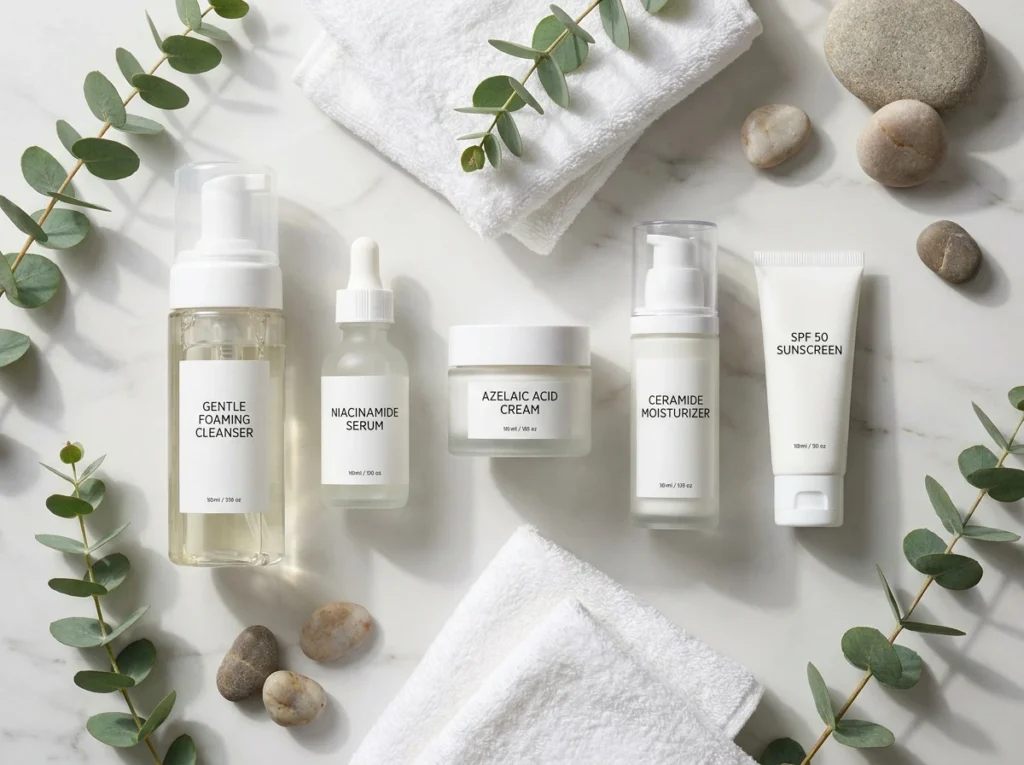
Hormonal acne is one of the most common skin concerns among teenagers and adults. Unlike occasional pimples, hormonal breakouts often appear repeatedly in the same areas—especially along the jawline, chin, cheeks, and neck. These blemishes can be deeper, more inflamed, and slower to heal than other types of acne.
While hormonal changes cannot always be prevented, the right skincare routine can help reduce excess oil, support the skin barrier, minimize clogged pores, and improve the overall appearance of your skin. Consistency is key, and using gentle, evidence-based ingredients often works better than harsh products that strip the skin.
This guide explains how to build an effective skincare routine for hormonal acne, the best ingredients to include, healthy lifestyle habits, and common mistakes to avoid.
Table of Contents
What Is Hormonal Acne?
Hormonal acne is acne that is influenced by changes in hormone levels, particularly androgens, which can increase oil (sebum) production. Excess oil combines with dead skin cells and bacteria, leading to clogged pores and inflammation.
Hormonal acne may occur during:
- Puberty
- Menstrual cycles
- Pregnancy
- Perimenopause and menopause
- Times of increased stress
- Certain medical conditions that affect hormone levels
Because the underlying cause is hormonal, skincare can help manage symptoms but may not eliminate breakouts completely.
Signs of Hormonal Acne
Common signs include:
- Breakouts around the chin and jawline
- Deep, tender pimples
- Recurring acne in the same areas
- Oily skin
- Post-acne marks after blemishes heal
If acne is severe, persistent, or accompanied by other symptoms such as irregular menstrual cycles or excessive hair growth, consult a healthcare professional for evaluation.
Morning Skincare Routine
Step 1: Gentle Cleanser
Start your day with a mild, fragrance-free cleanser that removes overnight oil without drying the skin.
Avoid harsh soaps that leave your skin feeling tight.
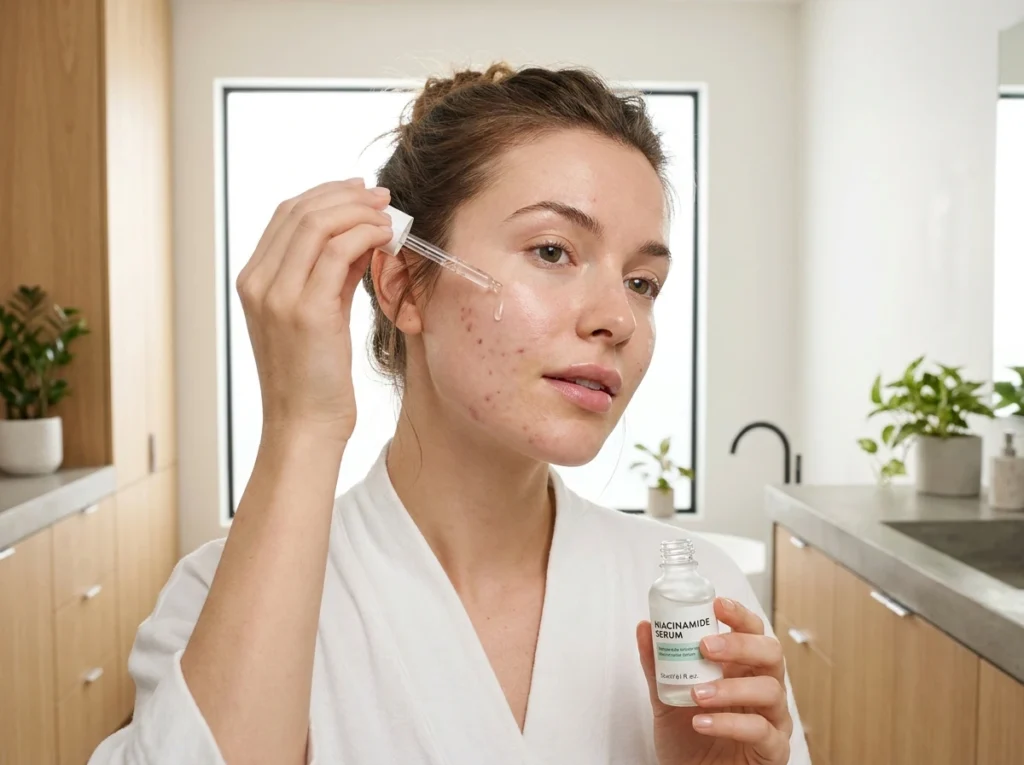
Step 2: Niacinamide Serum
Niacinamide is an excellent ingredient for hormonal acne because it can:
- Help regulate excess oil
- Reduce redness
- Strengthen the skin barrier
- Improve uneven skin tone
Most people tolerate daily use well.
Step 3: Lightweight Moisturizer
Hydration is important even if your skin feels oily.
Choose a moisturizer containing:
- Ceramides
- Glycerin
- Hyaluronic Acid
Look for products labeled non-comedogenic.
Step 4: Sunscreen SPF 30+
Daily sunscreen helps prevent post-acne marks from becoming darker and protects the skin from UV damage.
Use a broad-spectrum SPF 30 or higher every morning.
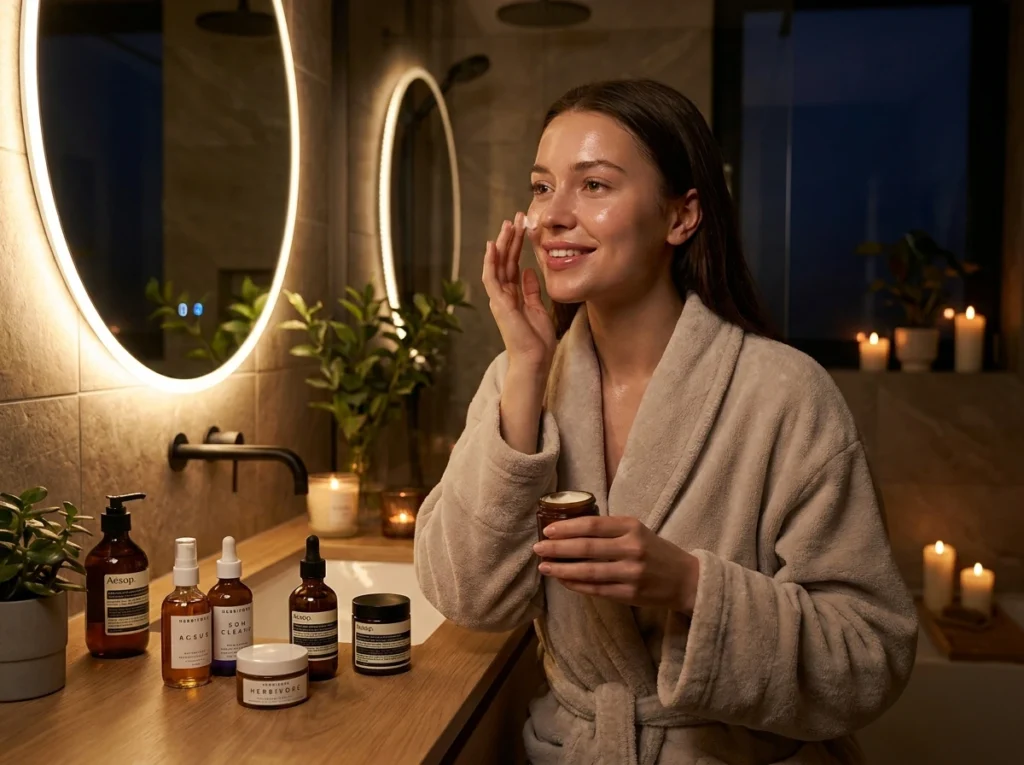
Evening Skincare Routine
Step 1: Remove Makeup and Sunscreen
If you wear makeup or sunscreen, use a cleansing balm or oil cleanser before your regular cleanser.
Step 2: Gentle Cleanser
Wash away remaining impurities with a gentle water-based cleanser.
Step 3: Treatment Product
Depending on your skin’s needs, you may choose one active ingredient such as:
- Salicylic Acid (helps unclog pores)
- Azelaic Acid (helps improve redness and post-acne marks)
- Retinoids (support skin renewal and help prevent clogged pores)
Introduce active ingredients gradually and avoid using several strong treatments at the same time unless advised by a dermatologist.
Step 4: Moisturizer
Finish your routine with a lightweight moisturizer to help maintain the skin barrier and reduce dryness caused by acne treatments.
Best Ingredients for Hormonal Acne
Niacinamide
- Helps reduce oil production
- Calms redness
- Strengthens the skin barrier
Salicylic Acid
- Penetrates into pores
- Removes excess oil
- Helps reduce blackheads and whiteheads
Azelaic Acid
- Helps reduce post-acne marks
- Improves uneven skin tone
- Suitable for many sensitive skin types
Retinoids
- Increase skin cell turnover
- Help prevent clogged pores
- Improve overall skin texture
Ceramides
- Restore the skin barrier
- Reduce moisture loss
- Improve skin comfort
Hyaluronic Acid
- Provides lightweight hydration
- Helps counteract dryness from acne treatments
Healthy Lifestyle Habits That Support Clear Skin
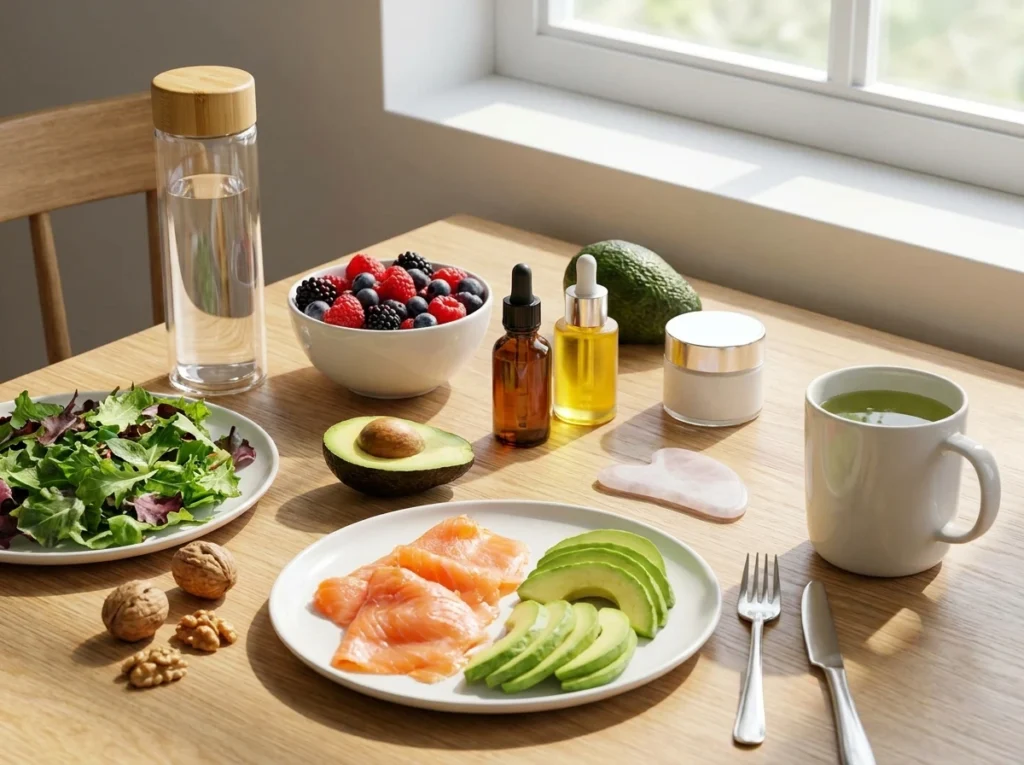
Although skincare is important, healthy daily habits also play a role in overall skin health.
Try to:
- Sleep 7–9 hours each night
- Stay hydrated throughout the day
- Eat a balanced diet rich in fruits, vegetables, and healthy fats
- Exercise regularly
- Manage stress with meditation, yoga, or walking
- Wash pillowcases weekly
- Clean makeup brushes regularly
These habits support healthy skin but should not be viewed as guaranteed acne cures.
Common Mistakes to Avoid
Avoid these common skincare mistakes:
- Scrubbing your face aggressively
- Picking or squeezing pimples
- Skipping moisturizer
- Forgetting sunscreen
- Using too many active ingredients together
- Changing products too frequently
- Sleeping with makeup on
A gentle and consistent routine is usually more effective than an overly complicated one.
Weekly Skincare Routine
Once or twice a week you may:
- Use a clay mask if you have oily skin
- Apply a hydrating mask if your skin feels dry
- Exfoliate gently with a mild chemical exfoliant if tolerated
Avoid over-exfoliation, as it can damage the skin barrier.
Frequently Asked Questions
How is hormonal acne different from regular acne?
Hormonal acne is linked to fluctuations in hormone levels and commonly appears around the chin, jawline, and lower face. It often consists of deeper, more inflamed blemishes.
Can skincare alone cure hormonal acne?
Skincare can help manage breakouts, reduce oil, and improve the skin’s appearance, but it may not address the underlying hormonal cause. Some people benefit from medical evaluation and treatment.
Which ingredient is best for hormonal acne?
Niacinamide, salicylic acid, azelaic acid, and retinoids are among the most commonly recommended ingredients. The best choice depends on your skin type and individual needs.
How long does it take to see results?
Many people notice gradual improvements after 6–12 weeks of consistent skincare. Significant changes often require patience and regular use of suitable products.
Final Thoughts
Creating an effective skincare routine for hormonal acne starts with consistency rather than complexity. A gentle cleanser, targeted treatment, lightweight moisturizer, and daily sunscreen provide the foundation for healthier skin. Ingredients such as niacinamide, salicylic acid, azelaic acid, and retinoids can help reduce breakouts and improve skin texture when used correctly.
Remember that hormonal acne may require a combination of skincare, healthy lifestyle habits, and, in some cases, professional medical care. If your acne is severe, painful, leaves scars, or does not improve with over-the-counter products, consult a dermatologist for a personalized treatment plan.