
Overnight Tips for Glowing Skin: 15 Simple Habits to Wake Up with Radiant Skin
Introduction
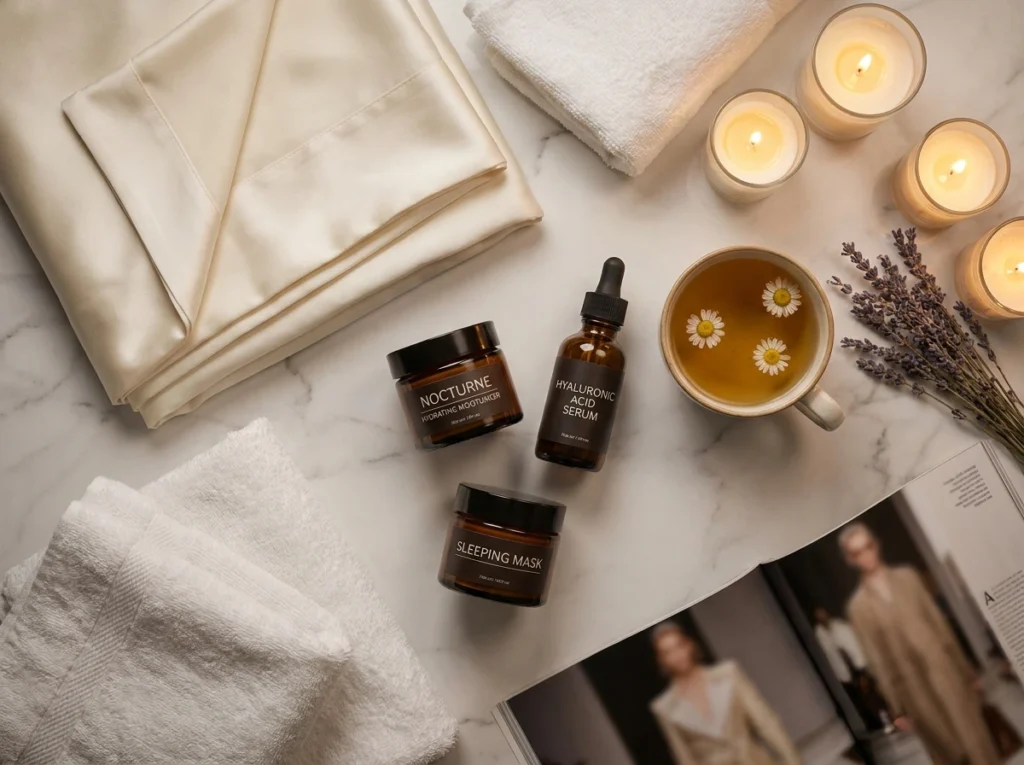
Have you ever wondered why your skin sometimes looks refreshed and glowing after a good night’s sleep? While you sleep, your skin enters its natural repair phase. During these hours, it works to restore moisture, repair the skin barrier, and recover from daily exposure to pollution, UV rays, and environmental stress.
This is why your evening skincare routine is just as important—if not more important—than your morning routine. By following a few simple overnight habits, you can support your skin’s natural renewal process and wake up with a smoother, healthier, and more radiant complexion.
In this guide, you’ll learn 15 overnight tips for glowing skin, including the best nighttime skincare routine, healthy sleep habits, and common mistakes to avoid.
Table of Contents
Why Nighttime Skincare Matters
Your skin loses moisture throughout the day and is constantly exposed to environmental damage. At night, your body shifts its focus toward recovery and repair.
A proper nighttime routine can help:
- Restore hydration
- Support the skin barrier
- Improve skin texture
- Reduce dullness
- Minimize the appearance of fine lines
- Promote a natural glow
Consistency is the key to long-term results.
1. Always Remove Your Makeup
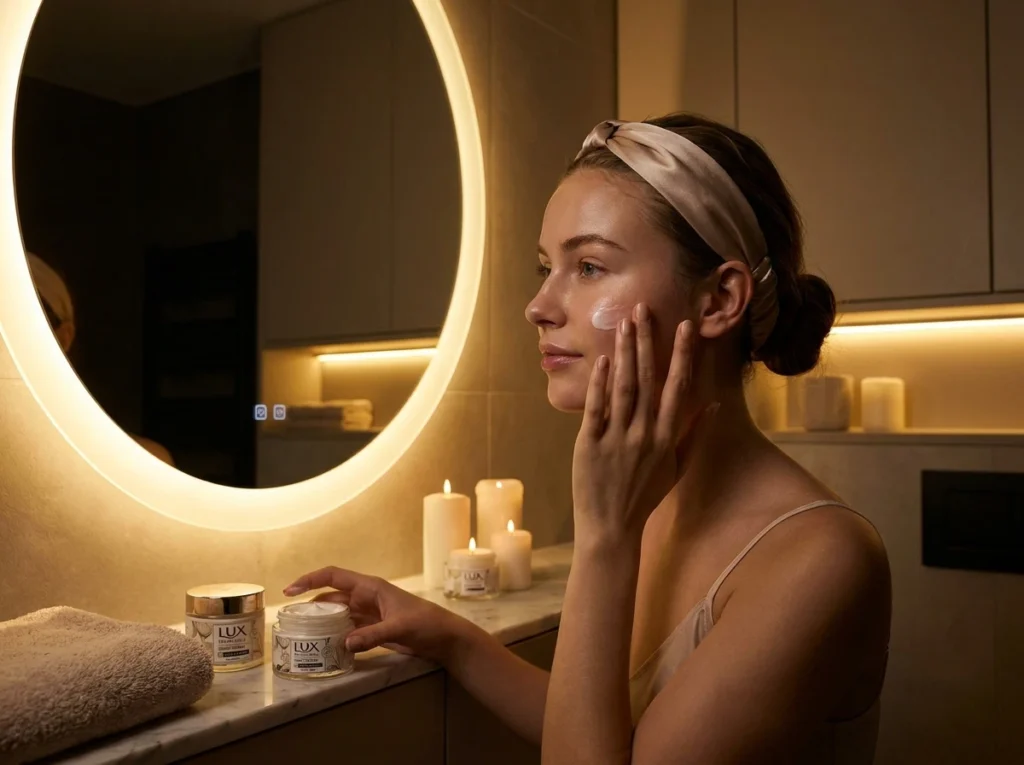
Leaving makeup on overnight can trap oil, dirt, and bacteria on your skin, increasing the risk of clogged pores and breakouts.
Use a gentle makeup remover or cleansing balm, followed by a mild facial cleanser to ensure your skin is completely clean before bed.
2. Double Cleanse if You Wear Sunscreen or Makeup
If you wear heavy makeup or water-resistant sunscreen, double cleansing can help remove residue more effectively.
The first cleanse dissolves makeup and sunscreen, while the second cleanser removes sweat, dirt, and excess oil.
3. Apply a Hydrating Serum
Hydrating serums work well overnight because your skin has several hours to absorb beneficial ingredients.
Look for:
- Hyaluronic Acid
- Panthenol (Vitamin B5)
- Niacinamide
These ingredients help keep your skin soft and hydrated.
4. Use a Nourishing Night Moisturizer
Night creams are often richer than daytime moisturizers and help reduce moisture loss while you sleep.
Ingredients to look for include:
- Ceramides
- Glycerin
- Squalane
- Shea Butter
Choose a moisturizer that matches your skin type.
5. Sleep on a Clean Pillowcase
Your pillowcase collects oil, sweat, and skincare residue over time.
Changing it at least once a week can help reduce the transfer of dirt and bacteria back onto your skin.
Silk pillowcases may also reduce friction and help minimize sleep creases.
6. Stay Hydrated Before Bed
Drink enough water throughout the day to support your body’s hydration.
While you don’t need to drink large amounts immediately before sleeping, maintaining good hydration helps your skin function normally.
7. Avoid Heavy Late-Night Meals
Eating very large or high-sodium meals close to bedtime may contribute to morning puffiness for some people.
Choose lighter evening meals with vegetables, lean protein, and whole grains when possible.

8. Get Seven to Nine Hours of Sleep
Sleep is one of the most important beauty habits.
Quality sleep allows your skin time to repair itself and recover from daily stress.
Aim for a consistent sleep schedule whenever possible.
9. Use a Humidifier if the Air Is Dry
Indoor heating or air conditioning can reduce humidity and contribute to dry skin.
A humidifier adds moisture to the air, helping reduce overnight dehydration, especially during colder months.
10. Apply Lip Balm Before Sleeping
Your lips lose moisture overnight just like the rest of your skin.
A nourishing lip balm helps prevent dryness and leaves your lips feeling soft by morning.
11. Don’t Forget Your Neck
Your neck is exposed to the same environmental factors as your face.
Apply your nighttime serum and moisturizer to your neck as well for more even skincare.
12. Try a Weekly Sleeping Mask
An overnight sleeping mask can provide an extra boost of hydration.
Use it once or twice a week if your skin feels dry or dull.
Choose formulas designed for overnight use.
13. Manage Stress Before Bed
Stress may affect your sleep quality and can contribute to skin concerns in some people.
Relax before bedtime by:
- Reading a book
- Stretching
- Practicing meditation
- Drinking herbal tea
- Listening to calming music
A relaxing bedtime routine benefits both your mind and your skin.
14. Keep Your Bedroom Clean
Dust, pet hair, and allergens can accumulate in your sleeping environment.
Wash your bedding regularly and keep your bedroom well ventilated to create a cleaner environment for your skin.
15. Stay Consistent
The most effective overnight beauty secret is consistency.
Following a simple nighttime routine every evening is far more beneficial than using many products occasionally.

Ideal Nighttime Skincare Routine
Step 1
Remove makeup.
Step 2
Cleanse your face.
Step 3
Apply a hydrating serum.
Step 4
Use a nourishing moisturizer.
Step 5
Apply lip balm.
Step 6
Get a full night’s sleep.
Best Ingredients for Overnight Skincare
Hyaluronic Acid
Provides deep hydration while you sleep.
Ceramides
Strengthen the skin barrier and reduce moisture loss.
Niacinamide
Helps improve skin texture and reduce redness.
Peptides
Support firmer-looking skin by helping maintain skin structure.
Squalane
Locks in moisture without feeling heavy.
Common Nighttime Skincare Mistakes
Avoid these habits:
- Sleeping with makeup on
- Skipping moisturizer
- Using harsh exfoliants every night
- Forgetting your neck
- Not washing pillowcases regularly
- Going to bed too late consistently
- Using too many active ingredients at once
Simple routines are often more effective and less irritating.
Frequently Asked Questions
Can you really get glowing skin overnight?
While dramatic changes don’t happen in one night, a proper evening skincare routine can improve hydration and make your skin appear fresher by morning. Long-term glowing skin comes from consistent care.
Should I wash my face before bed even if I stayed home?
Yes. Cleansing removes oil, sweat, and environmental particles that accumulate throughout the day, even if you haven’t worn makeup.
Is a night cream necessary?
Not always, but many people benefit from using a moisturizer at night because it helps reduce moisture loss while the skin naturally repairs itself.
How often should I use a sleeping mask?
Most sleeping masks can be used once or twice a week, depending on your skin’s needs and the product instructions.

Final Thoughts
Following these overnight tips for glowing skin can help you wake up with a fresher, healthier-looking complexion while supporting your skin’s natural overnight repair process. A gentle cleanser, hydrating serum, nourishing moisturizer, clean bedding, and quality sleep work together to create the ideal environment for radiant skin.
Remember that healthy skin is the result of consistent daily care rather than overnight miracles. By making these simple nighttime habits part of your routine, you’ll build a strong foundation for smoother, softer, and naturally glowing skin over time.