
How to Prevent Acne Naturally: 15 Proven Tips for Clear and Healthy Skin
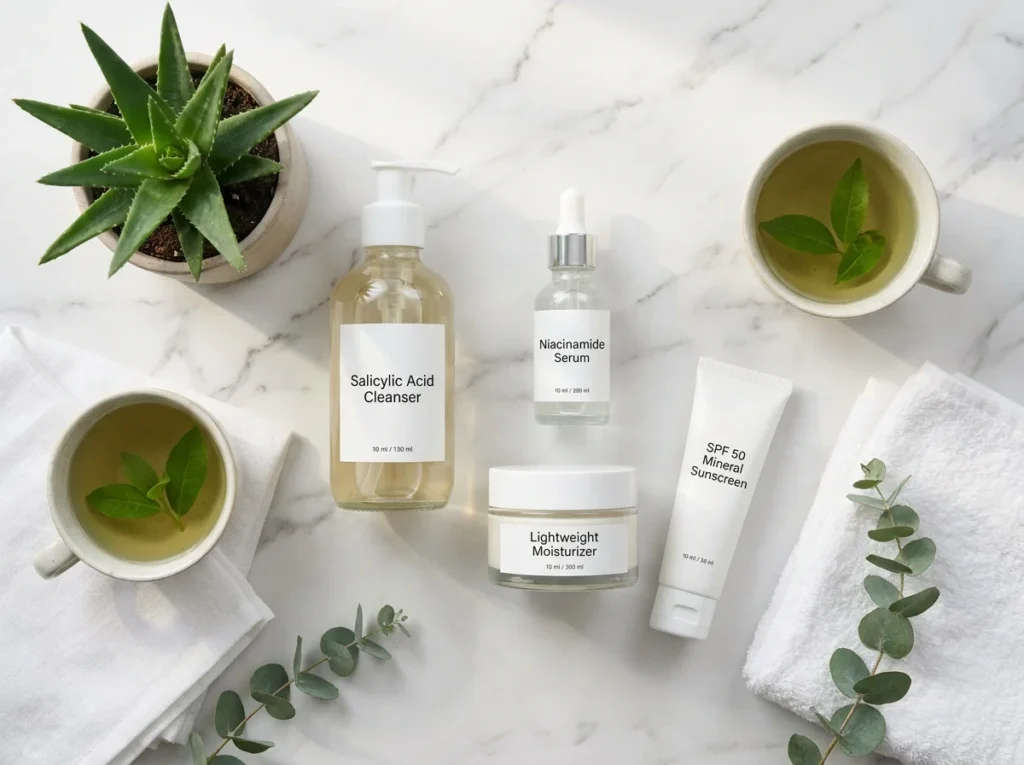
Introduction
How to Prevent Acne Naturally.
Acne is one of the most common skin concerns, affecting teenagers and adults alike. While occasional breakouts are normal, persistent acne can impact confidence and make it difficult to feel comfortable in your own skin. The good news is that many daily habits can help reduce the likelihood of breakouts and support healthier skin.
Preventing acne naturally doesn’t mean avoiding all skincare products. Instead, it means building a simple routine that protects your skin barrier, keeps pores clear, reduces excess oil, and supports overall skin health through healthy lifestyle choices.
In this guide, you’ll learn 15 natural ways to help prevent acne, discover the best skincare ingredients, and understand which habits may contribute to clearer, healthier skin.
Table of Contents
What Causes Acne?
Acne develops when hair follicles become clogged with:
- Excess oil (sebum)
- Dead skin cells
- Bacteria
- Inflammation
Several factors can increase the likelihood of acne, including:
- Hormonal changes
- Genetics
- Stress
- Excess oil production
- Certain cosmetic products
- Friction from masks or helmets
- Some medications
Understanding these triggers can help you choose habits that support clearer skin.
Why Natural Acne Prevention Matters
Healthy skincare habits focus on maintaining a balanced skin barrier rather than aggressively drying the skin.
A gentle approach may help:
- Reduce clogged pores
- Balance oil production
- Minimize irritation
- Support healthy skin renewal
- Improve overall skin appearance
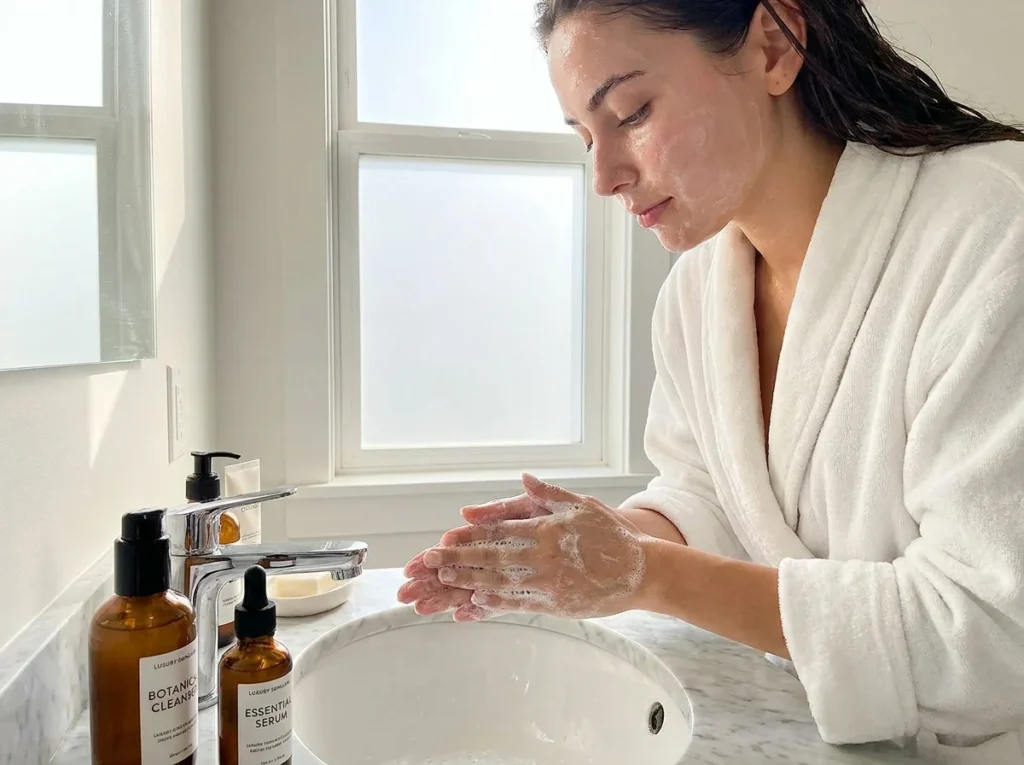
1. Wash Your Face Twice Daily
Cleanse your face every morning and evening using a gentle facial cleanser.
Regular cleansing removes dirt, sweat, excess oil, sunscreen, and environmental pollutants without stripping the skin.
Avoid washing your face too frequently, as this may increase irritation.
2. Choose Non-Comedogenic Products
When buying skincare or makeup, look for products labeled:
- Non-comedogenic
- Oil-free
- Lightweight
These products are designed to reduce the likelihood of clogging pores.
3. Moisturize Every Day
Even oily skin needs moisture.
A lightweight moisturizer helps maintain the skin barrier and may reduce the tendency for the skin to overproduce oil.
Look for ingredients like:
- Ceramides
- Glycerin
- Hyaluronic Acid
4. Wear Sunscreen Daily
Daily sunscreen protects your skin from UV damage and helps prevent post-acne marks from becoming darker.
Choose a broad-spectrum sunscreen with SPF 30 or higher that is suitable for acne-prone skin.
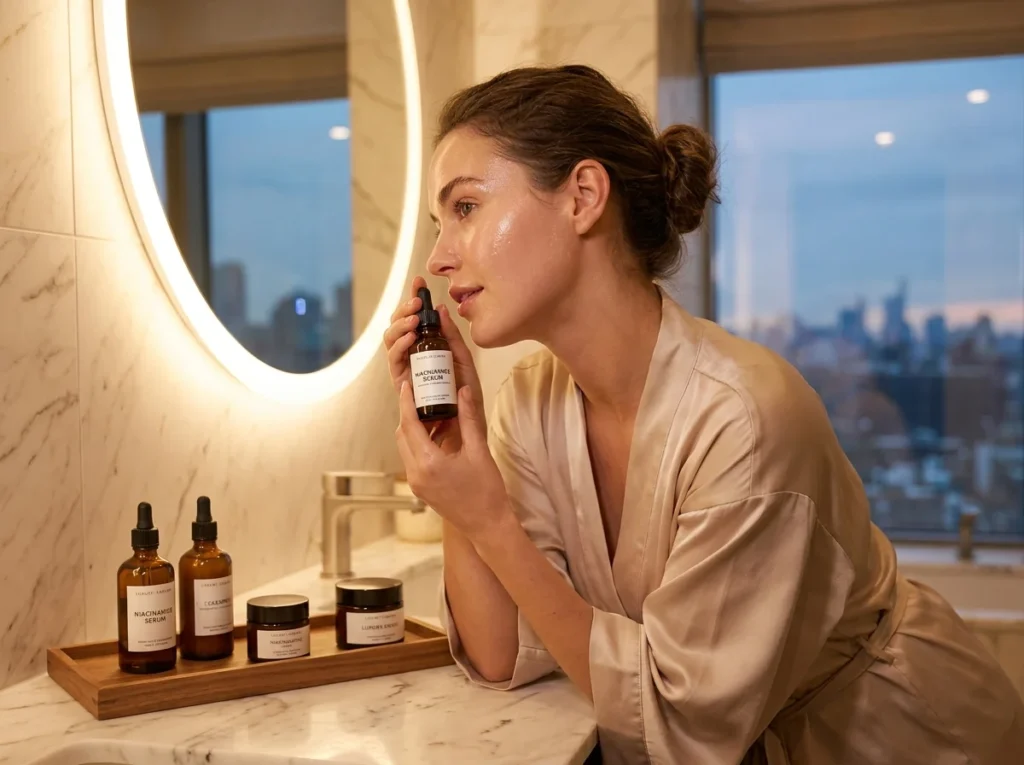
5. Don’t Touch Your Face
Your hands can transfer oil, dirt, and bacteria to your skin throughout the day.
Avoid resting your face on your hands or picking at blemishes.
6. Never Pop Pimples
Squeezing pimples can increase inflammation and raise the risk of scarring or infection.
Allow blemishes to heal naturally or use a targeted acne treatment if needed.
7. Eat a Skin-Friendly Diet
A balanced diet supports healthy skin.
Include foods rich in:
- Vitamin C
- Zinc
- Omega-3 fatty acids
- Vitamin E
- Antioxidants
Examples include:
- Salmon
- Leafy greens
- Berries
- Citrus fruits
- Nuts
- Seeds
- Avocados

8. Stay Hydrated
Water supports your body’s normal functions and helps maintain healthy skin.
Drink water consistently throughout the day and include water-rich fruits and vegetables in your meals.
9. Get Enough Sleep
During sleep, your skin repairs itself.
Aim for seven to nine hours of quality sleep each night to support healthy skin renewal.
10. Manage Stress
Stress can contribute to acne flare-ups in some individuals.
Healthy stress-management techniques include:
- Walking
- Yoga
- Meditation
- Deep breathing
- Reading
- Regular exercise
11. Wash Pillowcases Regularly
Pillowcases collect oil, sweat, and skincare residue.
Changing them once or twice a week helps maintain a cleaner sleeping environment for your skin.
12. Clean Makeup Brushes
Dirty brushes and beauty sponges can accumulate bacteria and product buildup.
Wash them weekly using a gentle cleanser.
13. Exfoliate Gently
Gentle exfoliation removes dead skin cells that can contribute to clogged pores.
Choose mild chemical exfoliants such as:
- Salicylic Acid
- Mandelic Acid
- Lactic Acid
Limit exfoliation to once or twice a week unless directed otherwise by a dermatologist.
14. Exercise Regularly
Exercise improves circulation and supports overall health.
After exercising, wash your face to remove sweat and reduce the risk of clogged pores.
15. Stay Consistent
The most important acne prevention tip is consistency.
Following a simple skincare routine every day is often more effective than frequently changing products or trying multiple treatments at once.
Sample Daily Routine for Acne Prevention
Morning
- Gentle Cleanser
- Niacinamide Serum
- Oil-Free Moisturizer
- Sunscreen SPF 30+
Evening
- Gentle Cleanser
- Acne Treatment (if needed)
- Lightweight Moisturizer
Best Ingredients for Acne Prevention
Salicylic Acid
Helps unclog pores and reduce blackheads.
Niacinamide
Supports the skin barrier, reduces redness, and helps regulate oil production.
Hyaluronic Acid
Hydrates the skin without clogging pores.
Ceramides
Strengthen the skin barrier and help reduce irritation.
Green Tea Extract
Provides antioxidant benefits and helps soothe the skin.
Common Mistakes That Can Trigger Acne
Avoid these common habits:
- Sleeping with makeup on
- Washing your face too often
- Using harsh scrubs
- Picking pimples
- Skipping moisturizer
- Forgetting sunscreen
- Using expired makeup
- Sharing makeup products
- Frequently changing skincare routines

Frequently Asked Questions
Can acne be prevented naturally?
While acne cannot always be completely prevented, healthy skincare habits and lifestyle choices can reduce the likelihood of breakouts and support healthier skin.
Does drinking water prevent acne?
Drinking enough water supports overall health and helps maintain your skin’s hydration, but acne prevention also depends on genetics, hormones, skincare habits, and other factors.
How often should I wash my face?
Most people benefit from cleansing twice a day—once in the morning and once before bed. Additional cleansing after heavy sweating may also be helpful.
Is oily skin more likely to get acne?
People with oily skin may be more prone to clogged pores, but acne can affect all skin types, including dry and combination skin.
Final Thoughts
Learning how to prevent acne naturally starts with building healthy daily habits rather than relying on quick fixes. Gentle cleansing, lightweight hydration, daily sunscreen, nutritious foods, quality sleep, and stress management all work together to support clearer, healthier skin.
Keep in mind that acne improvement takes time. Stay consistent with your skincare routine, avoid picking blemishes, and introduce new products gradually. If your acne is severe, painful, or leaves scars, consult a dermatologist for personalized treatment options.