
How to Get Rid of Acne Scars: 15 Effective Ways to Improve Skin Naturally
Introduction
How to Get Rid of Acne Scars ??
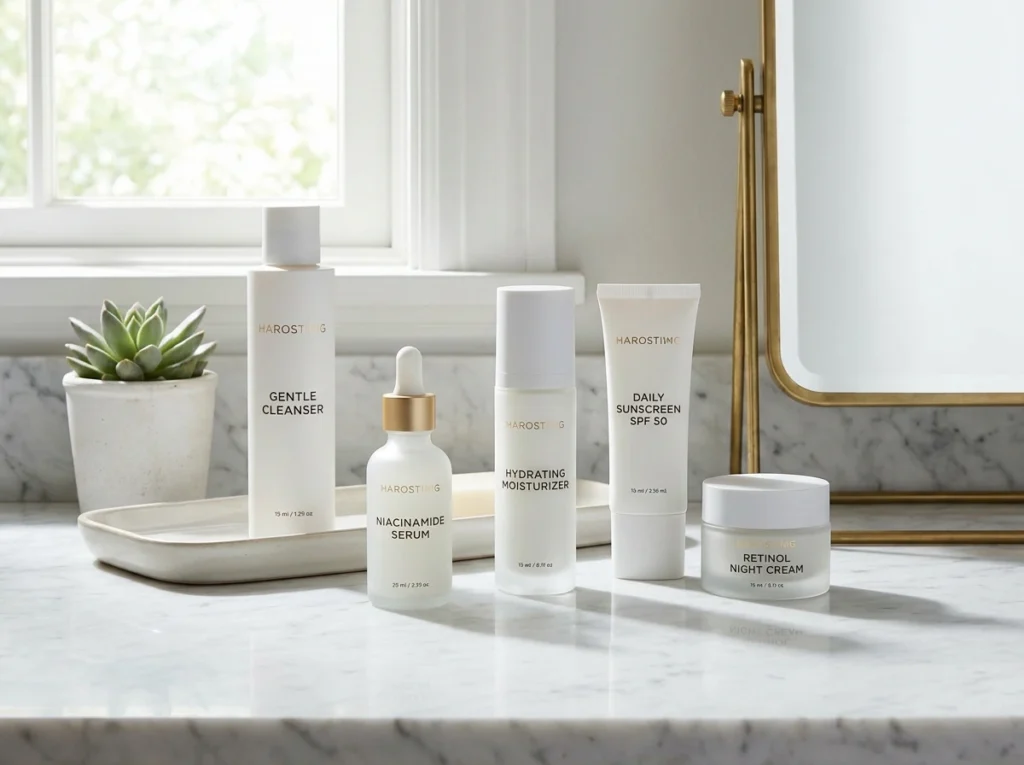
Acne may disappear, but the marks it leaves behind can remain for weeks, months, or even longer. Acne scars and post-acne marks are common concerns that affect people of all ages. Fortunately, with the right skincare routine, patience, and healthy habits, it’s possible to improve the appearance of many acne scars and support smoother, more even-looking skin.
It’s important to understand that not all acne scars are the same. Some are simply dark or red marks that fade with time, while others involve changes in the skin’s texture and may require professional treatment. Learning the difference helps you choose the most appropriate skincare approach.
In this guide, you’ll discover the best ways to reduce the appearance of acne scars, the ingredients that can help improve skin tone and texture, and daily habits that support healthy skin.
Table of Contents
What Are Acne Scars?
Acne scars develop when deeper layers of the skin are affected during the healing process after inflammation.
There are two common categories:
Post-Inflammatory Hyperpigmentation (PIH)
These are flat brown or dark marks that remain after acne heals. They are not true scars and often fade gradually with proper skincare and sun protection.
True Acne Scars
These involve changes in skin texture and include:
- Ice pick scars
- Boxcar scars
- Rolling scars
- Raised (hypertrophic) scars
Textured scars are more difficult to improve with skincare alone and may require professional procedures.
Why Acne Scars Form
Several factors increase the likelihood of acne scars:
- Severe inflammatory acne
- Picking or squeezing pimples
- Delayed treatment
- Genetics
- Repeated skin inflammation
Reducing active breakouts is one of the best ways to prevent future scars.
1. Wear Sunscreen Every Day
Sun exposure can make post-acne marks appear darker and last longer.
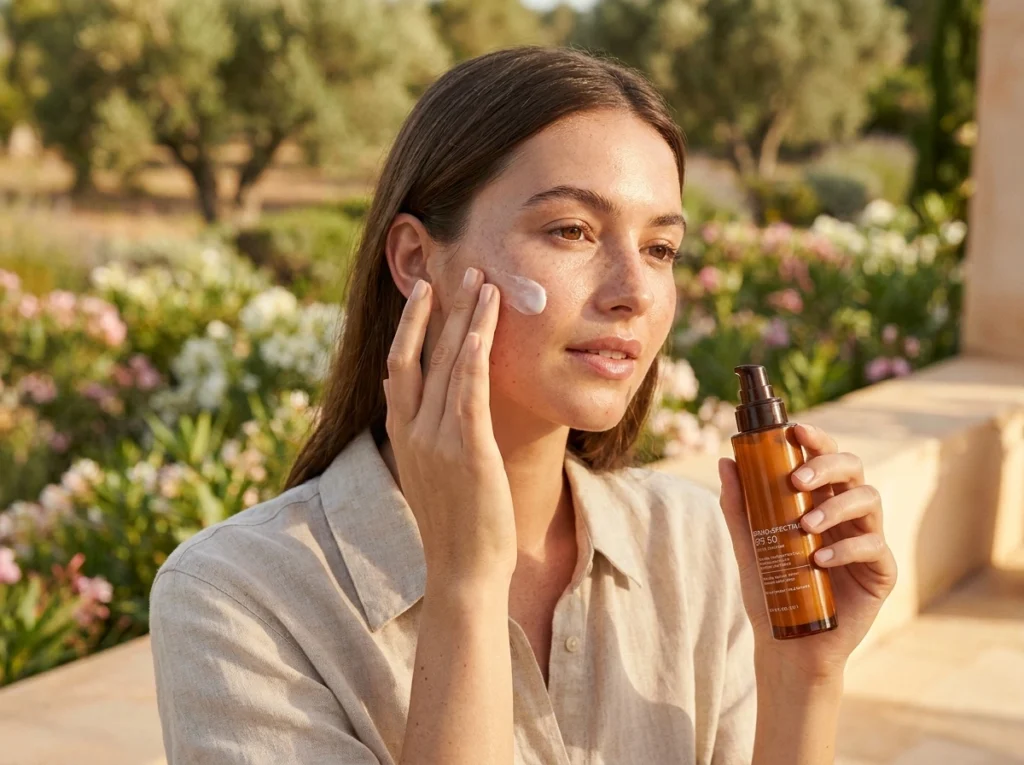
Use a broad-spectrum sunscreen with SPF 30 or higher every morning, even on cloudy days.
Daily sun protection is one of the most important steps for improving skin tone.
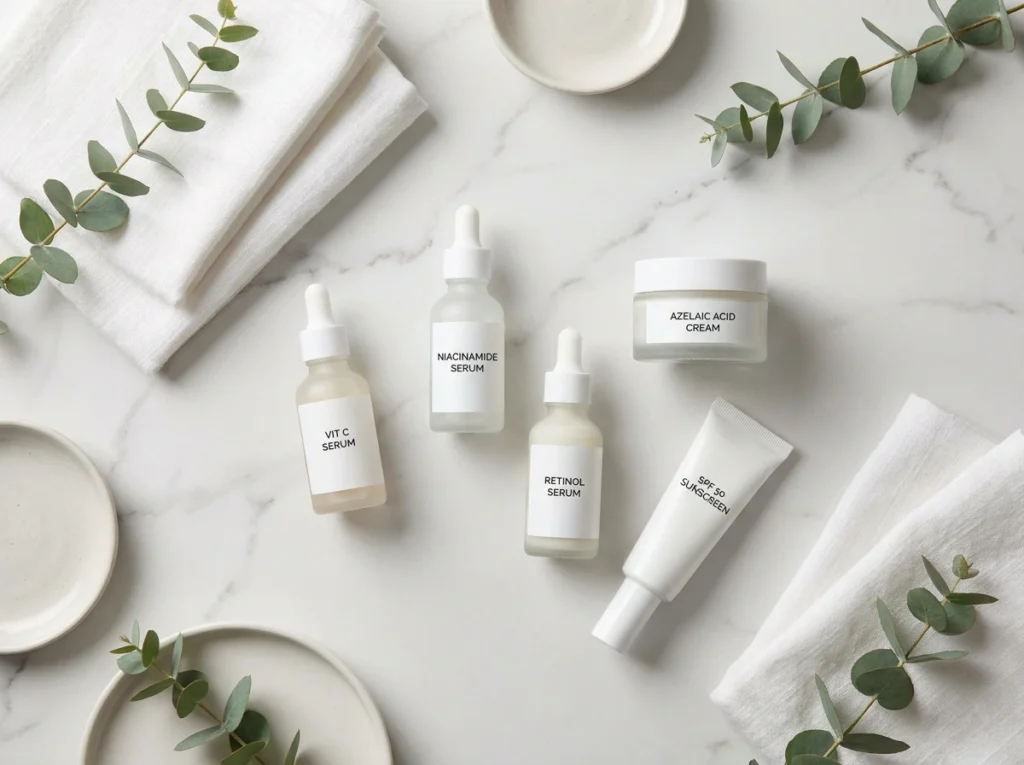
2. Use Vitamin C
Vitamin C is a powerful antioxidant that helps brighten the complexion.
Benefits include:
- Supporting collagen production
- Improving skin radiance
- Helping fade dark post-acne marks
- Protecting against environmental damage
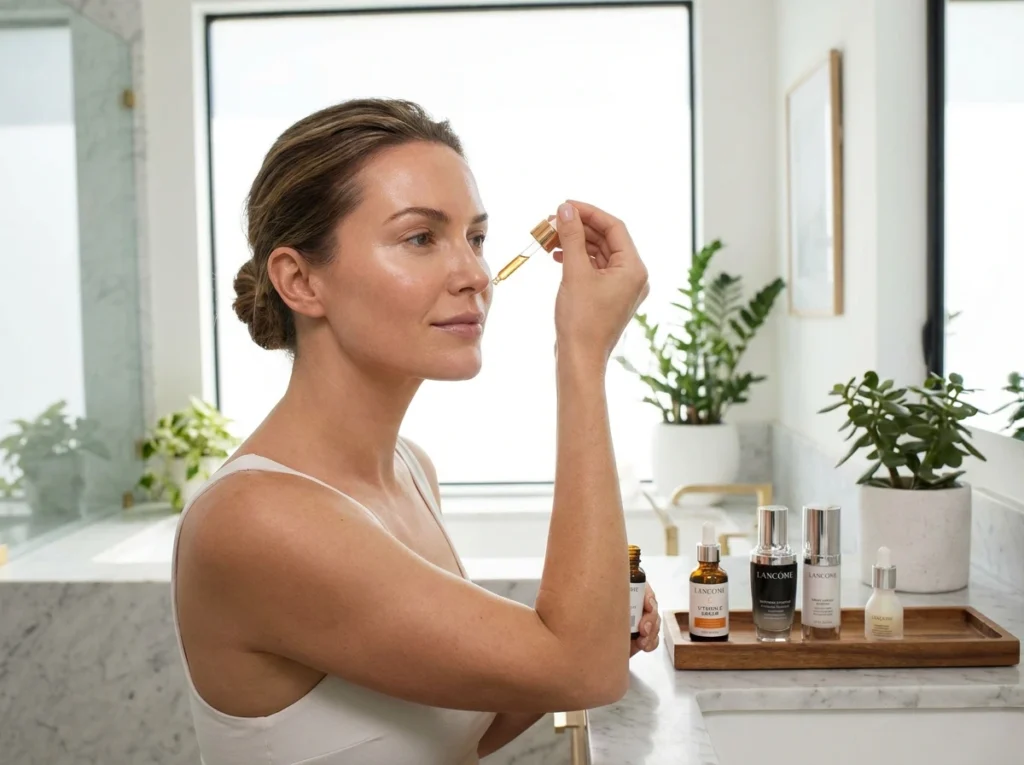
Apply a Vitamin C serum in the morning before sunscreen.
3. Try Niacinamide
Niacinamide is one of the most versatile skincare ingredients.
It may help:
- Reduce redness
- Improve uneven skin tone
- Strengthen the skin barrier
- Support smoother-looking skin
It is suitable for most skin types.
4. Consider Azelaic Acid
Azelaic acid is commonly used to improve the appearance of post-inflammatory hyperpigmentation.
Benefits include:
- Helping fade dark marks
- Reducing redness
- Supporting a more even complexion
It is often well tolerated by sensitive skin.
5. Introduce Retinoids Gradually
Retinoids increase skin cell turnover and support collagen production.
They may help improve:
- Fine lines
- Skin texture
- Mild acne scars
- Overall skin smoothness
Start slowly to minimize irritation.
6. Moisturize Daily
Healthy skin heals more effectively when the skin barrier is well hydrated.
Look for moisturizers containing:
- Ceramides
- Glycerin
- Hyaluronic Acid
- Squalane
7. Exfoliate Gently
Gentle chemical exfoliation can improve skin texture over time.
Ingredients such as:
- Lactic Acid
- Mandelic Acid
- Polyhydroxy Acids (PHAs)
may help brighten dull skin without excessive irritation.
Avoid over-exfoliating, which can weaken the skin barrier.
8. Don’t Pick Your Skin
Picking pimples increases inflammation and raises the risk of permanent scarring.
Allow blemishes to heal naturally and avoid touching your face unnecessarily.
9. Stay Hydrated
Proper hydration supports healthy skin function and recovery.
Drink water consistently throughout the day and eat water-rich fruits and vegetables.
10. Eat Skin-Friendly Foods
A balanced diet provides nutrients that support skin repair.
Focus on foods rich in:
- Vitamin C
- Vitamin E
- Zinc
- Omega-3 fatty acids
- Antioxidants
Examples include berries, citrus fruits, leafy greens, salmon, nuts, and seeds.
11. Sleep Well
Quality sleep supports your body’s natural repair processes.
Aim for seven to nine hours each night to help maintain healthy skin.
12. Manage Stress
Stress may worsen acne in some people, increasing the chance of future acne marks.
Healthy stress management includes:
- Exercise
- Meditation
- Deep breathing
- Reading
- Walking outdoors
13. Keep Your Skincare Routine Simple
Using too many active ingredients at once may irritate the skin.
A consistent routine with a few well-chosen products often delivers better long-term results.
14. Be Patient
Fading post-acne marks takes time.
Many people notice gradual improvement over several weeks or months with consistent skincare and sun protection.
15. Know When to See a Dermatologist
Some acne scars respond poorly to topical skincare alone.
If scars are deep, widespread, or affecting your confidence, a dermatologist may recommend treatments such as:
- Microneedling
- Chemical peels
- Laser resurfacing
- Subcision
- Dermal fillers (for selected scar types)
Professional treatment depends on the type and severity of the scars.
Daily Skincare Routine for Acne Scars
Morning
- Gentle Cleanser
- Vitamin C Serum
- Niacinamide Serum (optional)
- Moisturizer
- Sunscreen SPF 30+
Evening
- Gentle Cleanser
- Azelaic Acid or Retinoid (if suitable)
- Moisturizer
Introduce active ingredients gradually and avoid combining several strong treatments unless advised by a dermatologist.
Best Ingredients for Acne Scars
Vitamin C
Brightens the skin and supports collagen production.
Niacinamide
Improves skin tone and strengthens the skin barrier.
Azelaic Acid
Helps reduce post-acne discoloration.
Retinoids
Support skin renewal and improve texture over time.
Ceramides
Protect the skin barrier and reduce moisture loss.
Hyaluronic Acid
Keeps the skin hydrated and comfortable.
Common Mistakes That Slow Skin Recovery
Avoid these habits:
- Picking pimples
- Skipping sunscreen
- Over-exfoliating
- Using harsh scrubs
- Frequently changing skincare products
- Sleeping with makeup on
- Ignoring moisturizer
Frequently Asked Questions
Can acne scars disappear naturally?
Some post-acne marks gradually fade over time, especially with consistent sun protection and skincare. However, deeper textured scars often require professional treatment to improve their appearance.
How long does it take for acne scars to fade?
Dark marks may improve over several weeks or months. Textured scars usually take longer and may not disappear completely without dermatological procedures.
Which ingredient is best for acne scars?
Vitamin C, niacinamide, azelaic acid, and retinoids are among the most commonly recommended ingredients for improving post-acne marks and overall skin texture.
Does sunscreen help acne scars?
Yes. Daily sunscreen helps prevent UV exposure from making post-acne marks darker and supports a more even skin tone over time.

Final Thoughts
Learning how to get rid of acne scars begins with understanding the type of marks you have and following a consistent skincare routine. Daily sunscreen, brightening ingredients like vitamin C and niacinamide, barrier-supporting moisturizers, and gentle exfoliation can all contribute to healthier-looking skin over time.
While topical skincare can significantly improve discoloration and overall skin texture, deeper acne scars may require professional treatments for noticeable results. Be patient, avoid picking your skin, and stay consistent with your routine. Healthy skin is built through long-term care, not overnight solutions.