
How to Find Your Personal Style: A Complete Guide to Building a Wardrobe You Love
Introduction
How to Find Your Personal Style !
Fashion is more than simply following trends—it’s a way to express your personality, lifestyle, and confidence. Your personal style is the unique combination of clothing, colors, accessories, and silhouettes that make you feel comfortable and authentic. When you understand your style, shopping becomes easier, your wardrobe becomes more versatile, and getting dressed each day feels effortless.
Many people struggle with finding their personal style because they buy trendy items without considering whether those pieces truly fit their preferences or daily life. Instead of constantly changing your wardrobe, learning what works for you allows you to create a collection of clothes you’ll enjoy wearing for years.
This guide will show you how to find your personal style, build a wardrobe that reflects your personality, and make confident fashion choices.
Table of Contents
What Is Personal Style?
Personal style is the consistent way you choose to present yourself through clothing and accessories.
It includes:
- Your favorite colors
- Preferred clothing shapes
- Fabrics you enjoy wearing
- Accessories you love
- Footwear choices
- Overall fashion aesthetic
Your style should feel natural and fit your everyday lifestyle.
Why Finding Your Personal Style Matters
A clear personal style offers many benefits:
- Makes shopping easier
- Saves money
- Reduces wardrobe clutter
- Boosts confidence
- Simplifies outfit planning
- Creates a more polished appearance
Instead of buying clothes you rarely wear, you’ll invest in pieces that truly suit you.
1. Look at Your Current Wardrobe
Start by reviewing the clothes you already own.
Ask yourself:
- Which outfits do I wear most often?
- Which clothes make me feel confident?
- What pieces have I never worn?
- Which colors appear most often?
Keep the items you genuinely enjoy wearing and identify patterns.
2. Consider Your Lifestyle
Your wardrobe should match your daily routine.
Think about how much time you spend:
- At work
- Running errands
- Attending social events
- Traveling
- Exercising
- Relaxing at home
Someone who works in an office will need different clothing than someone who works remotely.
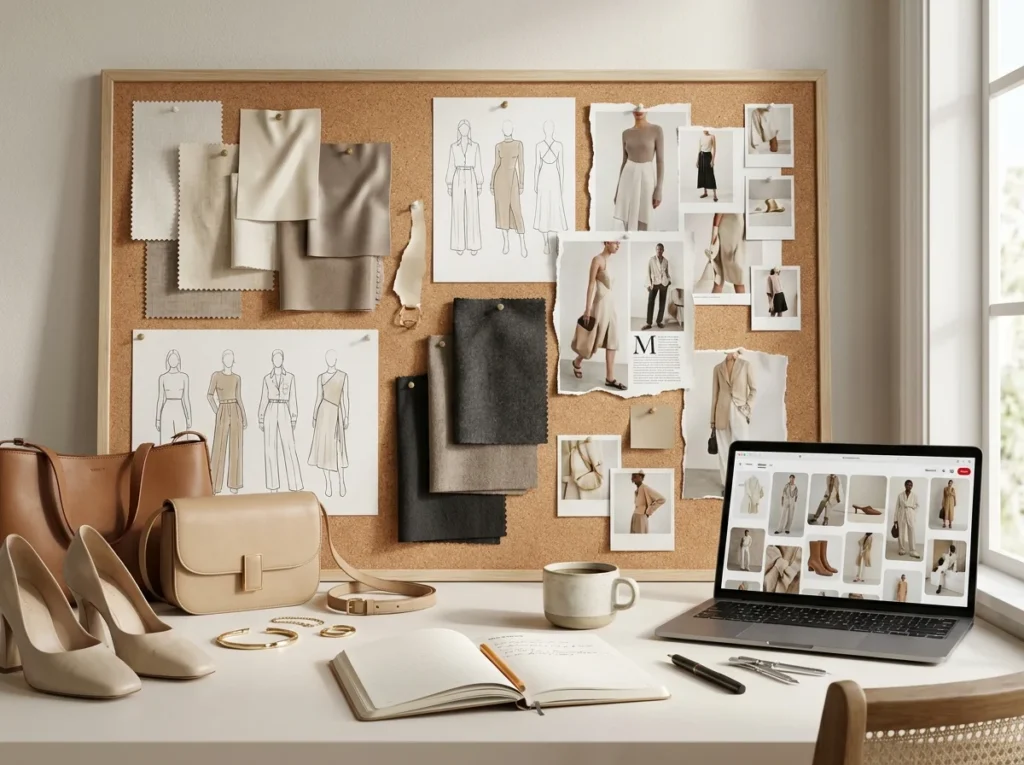
3. Find Fashion Inspiration
Collect inspiration from:
- Fashion magazines
- Pinterest boards
- Street style photography
- Fashion blogs
- Social media creators
Save outfits you genuinely love instead of copying every trend.
After collecting several images, look for recurring themes such as colors, silhouettes, and fabrics.
4. Discover Your Favorite Colors
Colors play an important role in personal style.
Neutral shades are versatile:
- White
- Black
- Beige
- Navy
- Gray
- Cream
Accent colors can reflect your personality, such as:
- Emerald green
- Burgundy
- Soft pink
- Olive
- Light blue
Choose shades that make you feel confident and complement your skin tone.
5. Learn Which Silhouettes Suit You
Different clothing shapes create different looks.
Experiment with:
- Straight-leg pants
- Wide-leg trousers
- Midi skirts
- Wrap dresses
- Tailored blazers
- Relaxed shirts
The goal is to find silhouettes that feel comfortable and suit your preferences.
6. Prioritize Fit
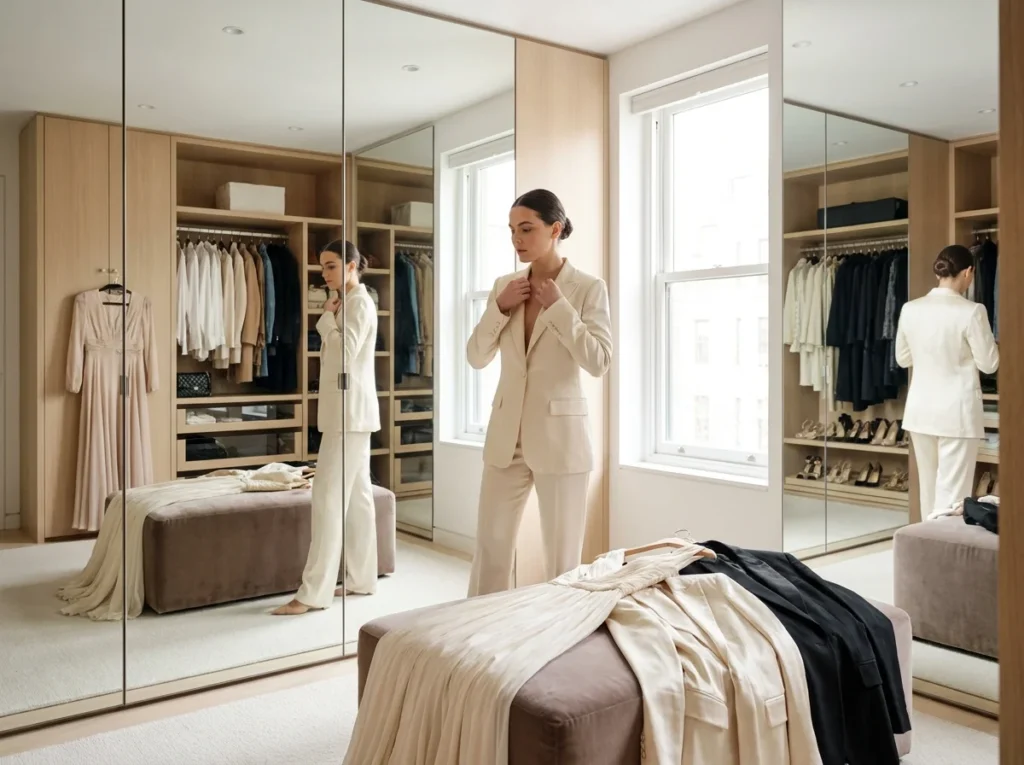
The best outfit can lose its impact if it doesn’t fit well.
Pay attention to:
- Shoulder seams
- Waist fit
- Sleeve length
- Trouser hems
Simple tailoring can dramatically improve the appearance of your clothes.
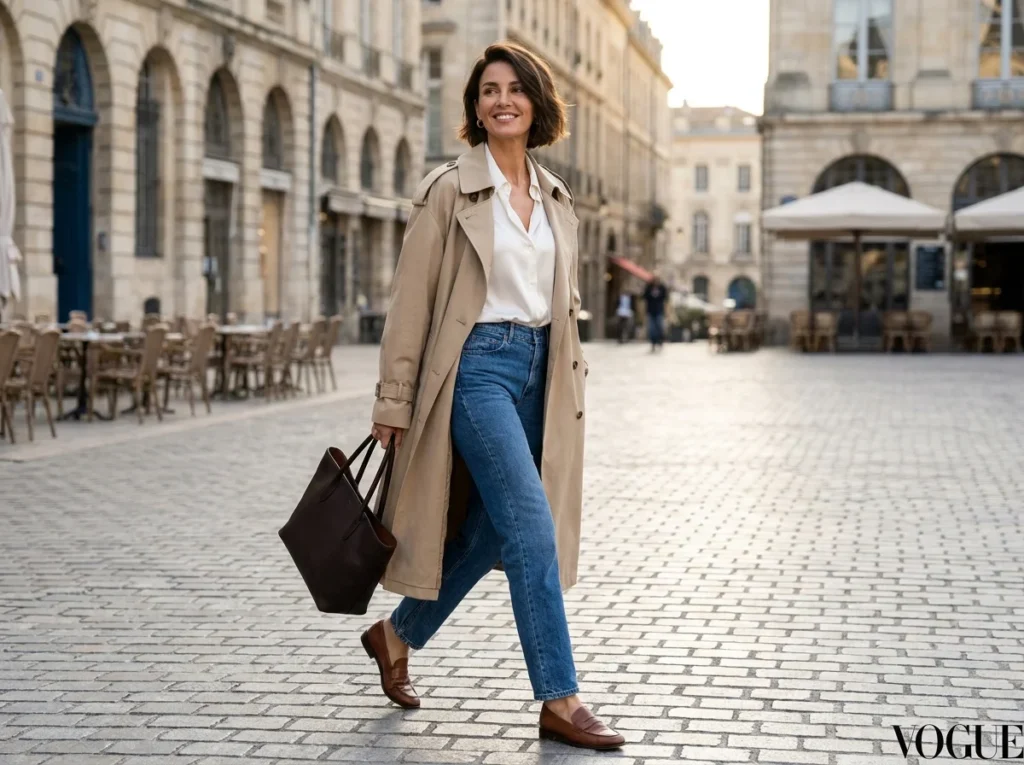
7. Build a Capsule Wardrobe
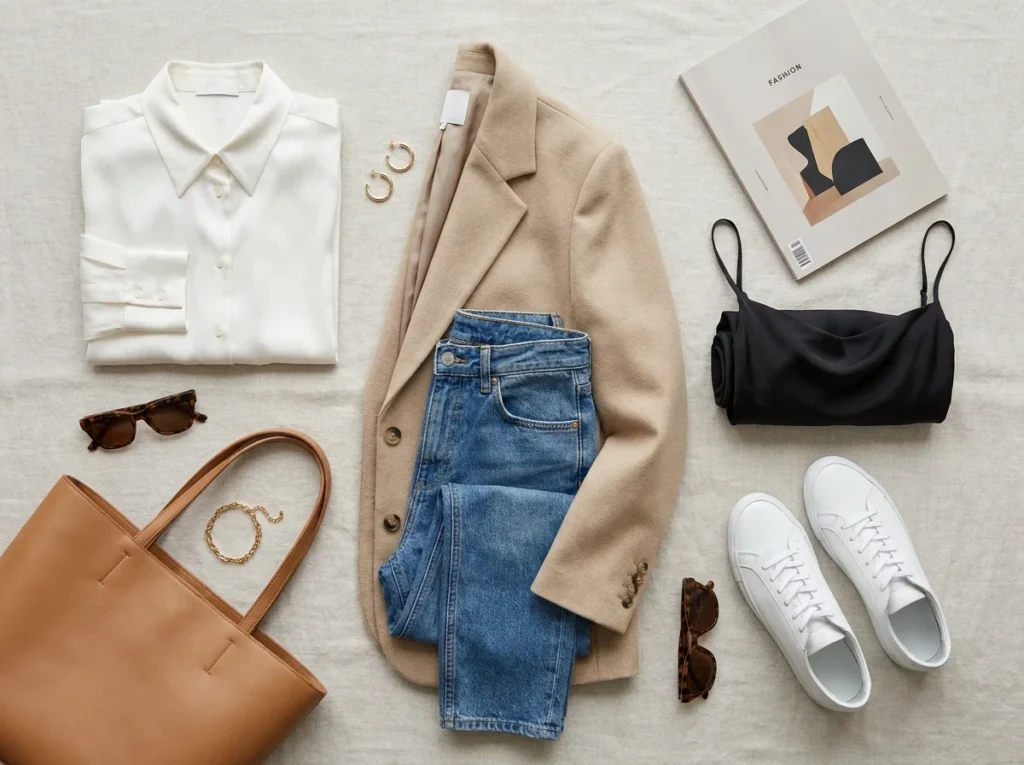
A capsule wardrobe includes versatile essentials that work well together.
Examples include:
- White shirt
- Neutral T-shirts
- Straight-leg jeans
- Tailored trousers
- Black blazer
- Trench coat
- White sneakers
- Leather loafers
These pieces create countless outfit combinations.
8. Invest in Quality Basics
Timeless basics are the foundation of great style.
Look for durable fabrics such as:
- Cotton
- Linen
- Wool
- Cashmere
- Silk
High-quality basics often last longer and maintain their appearance over time.
9. Add Accessories That Reflect Your Personality
Accessories complete your look.
Popular timeless options include:
- Leather handbags
- Minimalist jewelry
- Silk scarves
- Sunglasses
- Watches
- Belts
Choose accessories that complement your wardrobe rather than overwhelm it.
10. Don’t Follow Every Trend
Fashion trends change quickly.
Instead of buying every popular item, choose trends that align with your personal style and can be mixed with your existing wardrobe.
Timeless clothing should remain the foundation of your closet.
11. Experiment with Confidence
Finding your style is a process.
Try new combinations, different colors, or updated accessories while staying true to what feels authentic.
Fashion should be enjoyable, not stressful.
12. Organize Your Closet
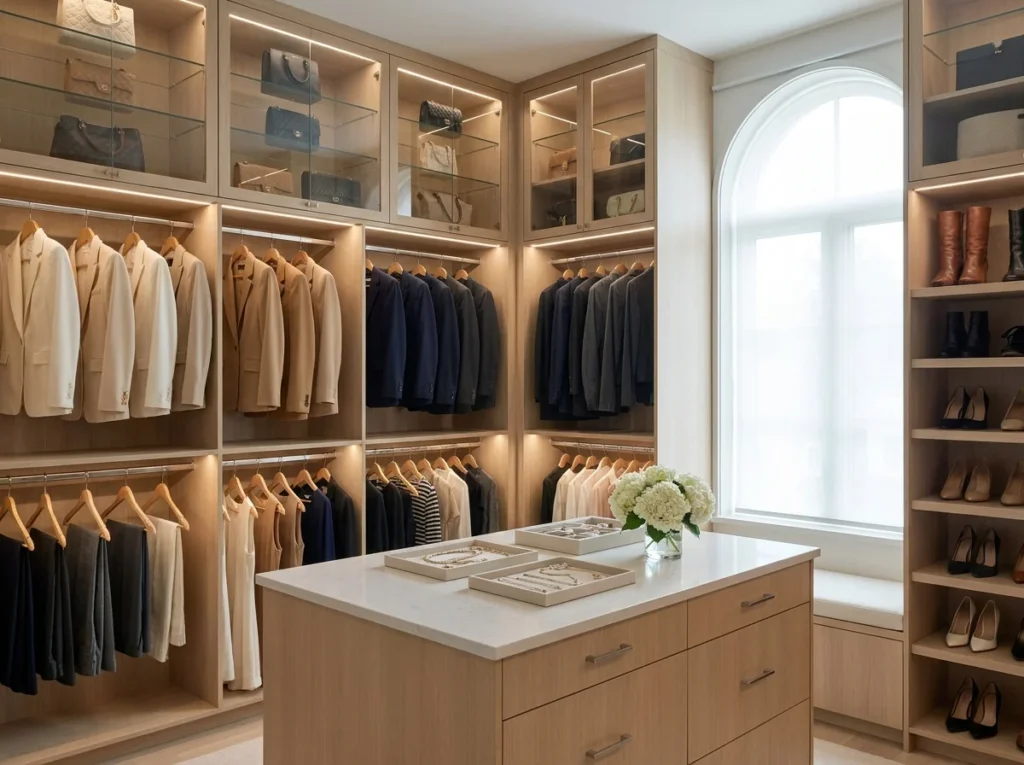
A tidy wardrobe helps you see what you own and makes outfit planning easier.
Organize clothes by:
- Category
- Color
- Season
- Frequency of use
Remove items you no longer wear and donate those in good condition.
13. Shop Intentionally
Before buying something new, ask yourself:
- Can I wear it in different seasons?
- Does it match at least three existing outfits?
- Will I still like it next year?
Intentional shopping reduces clutter and saves money.
14. Wear What Makes You Feel Confident
Confidence is the best fashion accessory.
Rather than dressing to impress others, focus on clothing that makes you feel comfortable and authentic.
Personal style is about expressing yourself—not fitting into someone else’s expectations.
15. Let Your Style Evolve
Your style will naturally change over time as your lifestyle, interests, and needs evolve.
Review your wardrobe every few months and make thoughtful updates rather than complete overhauls.
Wardrobe Essentials to Build Your Style
Tops
- White button-down shirt
- Neutral T-shirts
- Knit sweater
Bottoms
- Straight-leg jeans
- Tailored trousers
- Midi skirt
Dresses
- Little black dress
- Wrap dress
Outerwear
- Trench coat
- Tailored blazer
Shoes
- White sneakers
- Loafers
- Ankle boots
- Nude heels
Accessories
- Leather handbag
- Watch
- Minimal jewelry
- Sunglasses
- Belt
Common Style Mistakes
Avoid these habits:
- Buying clothes only because they’re trendy
- Ignoring comfort
- Keeping clothes that don’t fit
- Shopping without a plan
- Wearing colors you don’t enjoy
- Overloading outfits with accessories
- Neglecting clothing care
Frequently Asked Questions
How long does it take to find your personal style?
Finding your style is an ongoing process. Many people begin to notice clear preferences after experimenting with different outfits and reviewing what they enjoy wearing consistently.
Can my personal style change?
Yes. Your style often evolves with changes in your lifestyle, career, interests, and personal preferences.
Do I need expensive clothes to have great style?
No. A well-fitting wardrobe made of versatile, quality pieces can look stylish regardless of price.
Should I follow fashion trends?
Trends can inspire your wardrobe, but they shouldn’t define it. Use trends selectively while keeping timeless basics as the foundation of your style.
Final Thoughts
Learning how to find your personal style is about understanding what makes you feel comfortable, confident, and authentic. By focusing on quality essentials, choosing colors and silhouettes you love, and shopping with intention, you can create a wardrobe that reflects your personality and simplifies your daily routine.
Remember that style is personal—there’s no single “correct” way to dress. The best wardrobe is one that fits your lifestyle, helps you feel your best, and evolves naturally as your tastes and needs change.