Braids
Braids
Braids are one of the oldest and most universal forms of hairstyling. Simple in concept but endlessly variable in execution, braids weave together history, identity, and practical technique. They can be a protective style to preserve hair health, a canvas for personal and cultural expression, or a craft that connects generations through shared skill and tradition.
A brief history and cultural significance
Braiding predates written history, with evidence of braided hairstyles found on artifacts and human remains across many ancient civilizations. Throughout Africa, Europe, Asia, and the Americas, braids have held different meanings—signaling social status, marital availability, age, tribe, or spiritual beliefs. In many cultures, the act of braiding itself is communal: family members, neighbors, or friends gather to braid one another’s hair, turning grooming into a social and ceremonial practice.
In the modern era, braids continue to be both practical and symbolic. They appear in haute couture and street fashion, in everyday protective styles for textured hair, and as political statements asserting identity and resisting cultural erasure.
Types and techniques
There are countless braid styles, each with its own method and aesthetic:
- Three-strand braid: The foundational braid, created by alternately crossing outer strands over the center.
- French and Dutch braids: These incorporate hair progressively from the sides into the main braid—French braids lie flat against the head while Dutch braids sit on top, creating a raised effect.
- Fishtail braid: A two-part weave that produces a scaled, intricate look by taking small sections from alternating sides.
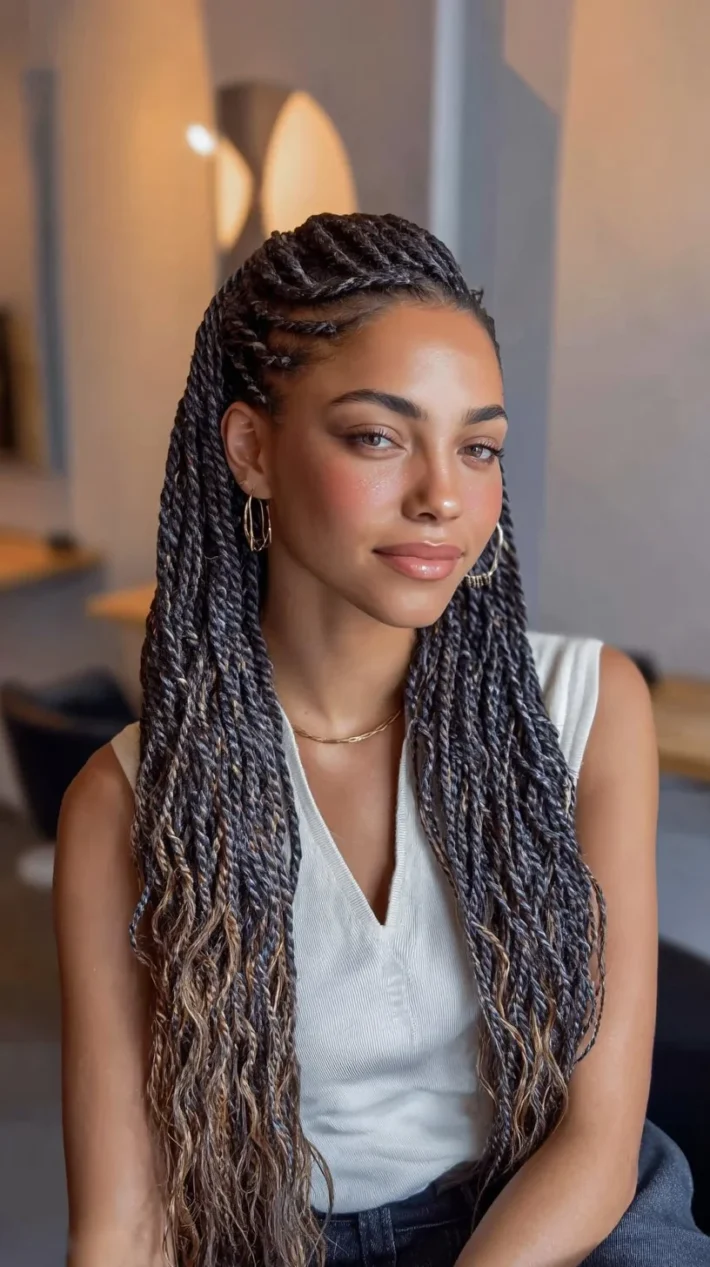
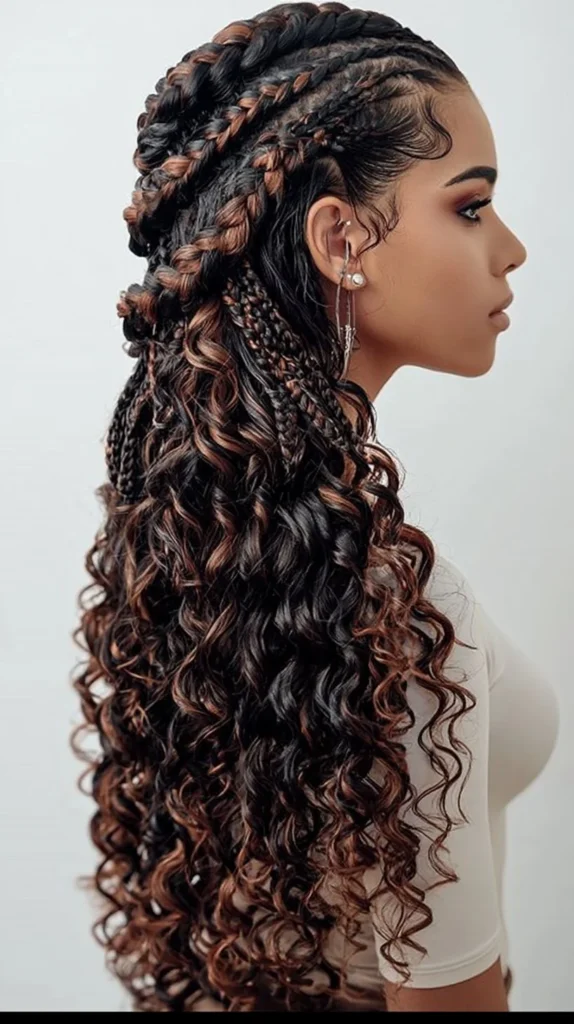
- Box braids, twists, cornrows, goddess braids, and microbraids: These styles vary by thickness, parting patterns, and whether extensions are added for length or volume.
Mastering tension control, consistent section sizes, and smooth transitions between added hair or new sections is key to clean, long-lasting braids.
Caring for braided hair
Braids can protect hair by reducing manipulation, but they require proper care:
- Start with clean, deeply conditioned hair to prevent breakage.
- Avoid excessively tight braids that pull on the scalp and can cause traction alopecia.
- Keep the scalp moisturized and clean—use light oils, water-based sprays, or diluted conditioner to maintain hydration.
- Sleep with a satin or silk scarf or pillowcase to reduce friction.
- Limit the time braids are left installed; even the gentlest styles should be removed periodically to give hair a break and allow for moisturizing and trimming.
Braids in contemporary culture
Today braids function across a wide spectrum: as everyday conveniences, athletic-friendly styles, high-fashion statements, and symbols of cultural pride. Celebrities and artists often bring traditional braid styles into mainstream visibility, influencing trends and sparking conversations about cultural appropriation versus appreciation. Craft communities and hairstylists continue to innovate, blending textures, colors, and multimedia elements—like beads and ribbons—into braided designs.
Learning to braid can be a meditative practice, a creative outlet, and a way to connect with cultural roots. Whether you braid your own hair, exchange techniques with friends, or commission a stylist for an elaborate design, braids remain a versatile and meaningful form of self-expression.
Conclusion
For updates and music-related information from the band that shares the name, visit BRAIDS: Home.
If you’re interested in culinary storytelling linked to woven traditions, explore the Braids Cookbook — Sonya Michelle Sanford.
For a cultural reading on braids in film and style, consider the essay Janet Jackson’s Worn-In Braids Have the Most to Say in ‘Poetic Justice’.
And for practical advice on passing the time and staying comfortable during long styling sessions, see How To Make Time Fly When You’re Getting Your Hair Braided | Into ….