
Best Skincare Routine for Sensitive Skin: A Complete Guide to Calm, Healthy, and Protected Skin
Introduction
Sensitive skin requires extra care and attention because it reacts more easily to environmental factors, harsh ingredients, weather changes, and even stress. If you often experience redness, burning, itching, dryness, or irritation after using skincare products, you may have sensitive skin.
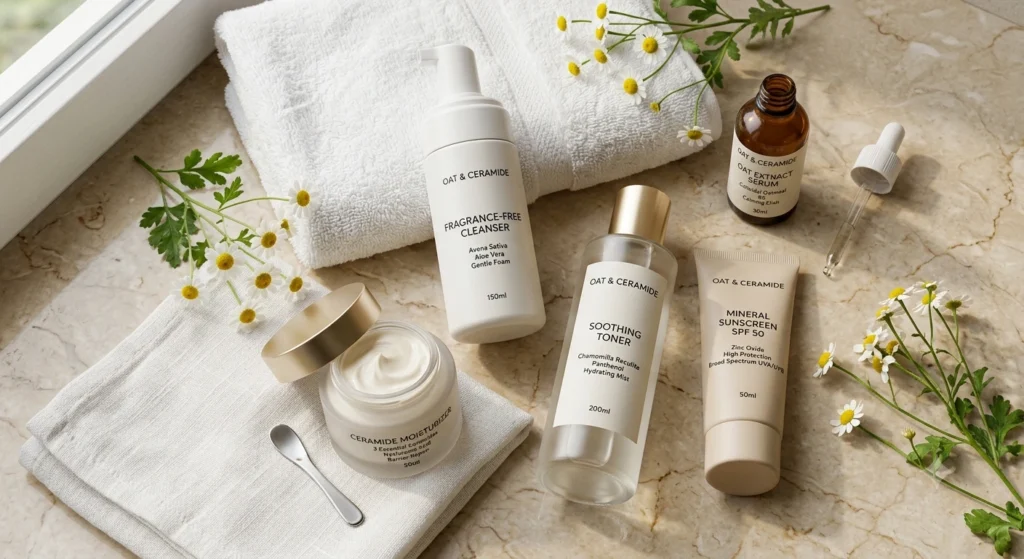
The good news is that sensitive skin can be comfortable, healthy, and radiant with the right routine. Instead of using multiple active ingredients or following complicated beauty trends, the focus should be on strengthening the skin barrier, reducing irritation, and maintaining hydration.
This complete guide explains the best skincare routine for sensitive skin, the ingredients that help soothe irritation, the ingredients you should avoid, and daily habits that keep your skin calm and healthy.
Table of Contents
What Is Sensitive Skin?
Sensitive skin isn’t a medical diagnosis but rather a condition where the skin reacts more easily than average.
Common symptoms include:
- Redness
- Burning or stinging
- Itching
- Tightness
- Dry patches
- Irritation after using new products
- Increased sensitivity to weather or sunlight
Some people naturally have sensitive skin, while others develop it because of a weakened skin barrier, allergies, over-exfoliation, or certain skin conditions.

Common Causes of Sensitive Skin
Several factors can trigger irritation, including:
- Harsh skincare products
- Fragrances
- Alcohol-based toners
- Hot showers
- Sun exposure
- Cold or windy weather
- Stress
- Pollution
- Over-exfoliation
- Using too many active ingredients
Identifying your triggers is an important step toward reducing flare-ups.
Morning Skincare Routine
Step 1: Cleanse with a Gentle Fragrance-Free Cleanser
Start your morning by cleansing your face with a mild, non-foaming cleanser.
Look for products that are:
- Fragrance-free
- Sulfate-free
- Alcohol-free
- Designed for sensitive skin
A gentle cleanser removes impurities without disrupting your skin’s protective barrier.
Step 2: Apply a Soothing Toner
Not everyone needs a toner, but a hydrating formula can calm sensitive skin and prepare it for the next steps.
Look for ingredients such as:
- Aloe Vera
- Chamomile
- Panthenol
- Oat Extract
Avoid products that contain alcohol or strong fragrances.
Step 3: Use a Barrier-Repair Serum
Sensitive skin benefits from ingredients that strengthen the skin barrier instead of aggressively exfoliating it.
Excellent options include:
Niacinamide
Helps strengthen the skin barrier and reduce redness.
Hyaluronic Acid
Provides deep hydration without irritation.
Panthenol (Vitamin B5)
Calms the skin and supports healing.
Apply a few drops before moisturizing.
Step 4: Moisturize
A moisturizer helps protect your skin from moisture loss and environmental stress.
Look for ingredients like:
- Ceramides
- Glycerin
- Squalane
- Shea Butter
Choose a fragrance-free formula whenever possible.
Step 5: Apply Mineral Sunscreen
Daily sun protection is essential.
Many people with sensitive skin prefer mineral sunscreens containing:
- Zinc Oxide
- Titanium Dioxide
These ingredients sit on the skin’s surface and are often less irritating than some chemical UV filters.
Choose SPF 30 or higher for everyday use.

Evening Skincare Routine
Nighttime is the perfect opportunity to repair and soothe your skin.
A simple evening routine includes:
- Gentle Cleanser
- Hydrating Toner (optional)
- Barrier-Repair Serum
- Rich Moisturizer
If you want to introduce active ingredients such as retinol or exfoliating acids, start slowly and consult a dermatologist if your skin reacts easily.
Weekly Treatments
Hydrating Face Mask
A soothing mask once a week can provide additional hydration.
Look for masks containing:
- Aloe Vera
- Oat Extract
- Honey
- Centella Asiatica
These ingredients help reduce redness and improve comfort.
Gentle Exfoliation
Sensitive skin still benefits from exfoliation, but less often.
Use a mild exfoliating acid such as lactic acid no more than once every one or two weeks unless your skin tolerates it well.
Avoid rough physical scrubs that may create micro-tears.
Best Ingredients for Sensitive Skin
Ceramides
Help repair and strengthen the skin barrier.
Hyaluronic Acid
Deeply hydrates without clogging pores.
Panthenol
Soothes irritation and supports skin recovery.
Centella Asiatica
Known for calming redness and promoting healing.
Colloidal Oatmeal
Helps reduce itching and irritation while protecting the skin barrier.

Ingredients to Avoid
People with sensitive skin should be cautious with:
- Strong fragrances
- High concentrations of alcohol
- Harsh physical scrubs
- Excessive essential oils
- High-strength exfoliating acids
- Too many active ingredients at once
Always patch-test new products before applying them to your entire face.
Lifestyle Habits That Support Sensitive Skin
Healthy daily habits can reduce irritation and strengthen your skin over time.
- Drink enough water every day.
- Sleep seven to nine hours each night.
- Manage stress with exercise, meditation, or relaxation techniques.
- Avoid extremely hot showers.
- Wash pillowcases weekly.
- Use fragrance-free laundry detergent if fabric sensitivity is a concern.
- Protect your skin from extreme weather by wearing hats or scarves when needed.
Common Mistakes to Avoid
Avoid these habits if you have sensitive skin:
- Trying too many new products at once
- Over-exfoliating
- Using heavily fragranced cosmetics
- Skipping moisturizer
- Forgetting sunscreen
- Rubbing your face with rough towels
- Picking at irritated skin
Keeping your routine simple often leads to the best long-term results.
Frequently Asked Questions
How do I know if I have sensitive skin?
If your skin frequently becomes red, itchy, tight, or irritated after using skincare products or changing environments, you may have sensitive skin.
Should sensitive skin exfoliate?
Yes, but gently and infrequently. Over-exfoliating can weaken the skin barrier and increase irritation.
Is fragrance bad for sensitive skin?
Not everyone reacts to fragrance, but fragrance is a common trigger for irritation. Fragrance-free products are often a safer choice for sensitive skin.
Can sensitive skin use Vitamin C?
Yes, but choose gentle formulations and introduce them slowly. If irritation occurs, discontinue use and consult a dermatologist.

Final Thoughts
Finding the best skincare routine for sensitive skin is about protecting your skin barrier rather than using many products. A gentle cleanser, hydrating serum, fragrance-free moisturizer, and daily mineral sunscreen create a simple yet effective routine that helps reduce irritation and maintain healthy skin.
Remember that sensitive skin responds best to consistency and patience. Introduce new products one at a time, patch-test whenever possible, and focus on soothing, barrier-supporting ingredients. With the right routine, you can minimize flare-ups and enjoy skin that feels calm, comfortable, and naturally radiant.