
Hair Care Tips for Every Hair Type: The Complete Guide to Healthy, Strong, and Shiny Hair
Introduction
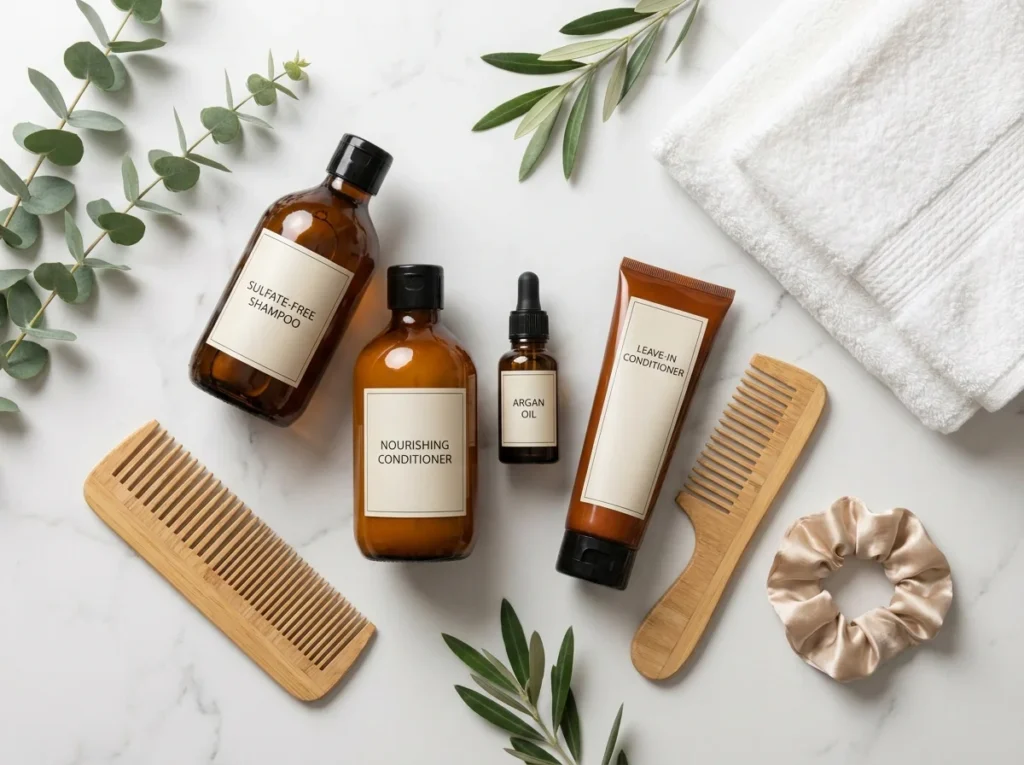
Healthy hair doesn’t happen by chance—it develops through consistent care, the right products, and healthy daily habits. Whether your hair is straight, wavy, curly, or coily, every hair type has unique needs. Using products designed for your hair texture and following a simple routine can help reduce breakage, improve shine, and keep your scalp healthy.
Many people believe that expensive products are the secret to beautiful hair. In reality, gentle cleansing, regular conditioning, proper hydration, and protecting your hair from damage often make the biggest difference.
In this guide, you’ll discover practical hair care tips for every hair type, learn how to create a personalized routine, and find the best habits for maintaining strong, shiny, and healthy hair.
Table of Contents
Why Hair Care Matters
Your hair is exposed every day to heat styling, sunlight, pollution, friction, and chemical treatments. Without proper care, these factors can contribute to dryness, split ends, frizz, and breakage.
A good hair care routine can help:
- Maintain moisture
- Reduce breakage
- Improve shine
- Support scalp health
- Make hair easier to manage
- Protect against daily damage
Understanding Your Hair Type
Before choosing products, it’s helpful to know your hair type.
Straight Hair
- Usually reflects light well
- Can become oily more quickly
- Often needs lightweight products
Wavy Hair
- Has natural movement
- Can become frizzy in humidity
- Benefits from lightweight hydration
Curly Hair
- Naturally drier
- Prone to tangles
- Requires extra moisture
Coily Hair
- Very delicate
- Needs deep hydration
- Benefits from protective styling
Daily Hair Care Tips
1. Wash Your Hair Based on Your Scalp Type
There’s no universal washing schedule.
General guidelines:
- Oily hair: every 1–2 days
- Normal hair: every 2–3 days
- Dry or curly hair: every 3–7 days
Wash when your scalp feels oily or has product buildup rather than following a fixed schedule.
2. Choose the Right Shampoo
Look for shampoos suited to your hair type.
For example:
- Hydrating shampoos for dry hair
- Lightweight shampoos for fine hair
- Color-safe shampoos for dyed hair
- Sulfate-free formulas for sensitive scalps
3. Never Skip Conditioner
Conditioner helps:
- Reduce tangles
- Improve softness
- Minimize breakage
- Lock in moisture
Apply it mainly to the mid-lengths and ends.
4. Brush Hair Gently
Use:
- Wide-tooth comb for wet hair
- Soft-bristle brush for dry hair
Always start detangling from the ends and work upward.
5. Avoid Very Hot Water
Warm water cleanses effectively without stripping too much natural oil.
Finish with cool or lukewarm water if comfortable to help smooth the hair cuticle.

Hair Care Tips for Straight Hair
Straight hair often becomes oily faster because natural oils travel easily from the scalp to the ends.
Tips include:
- Use lightweight conditioners
- Avoid heavy oils near the roots
- Dry shampoo can extend time between washes
- Use volumizing products if needed
Hair Care Tips for Wavy Hair
Wavy hair benefits from balanced hydration.
Try to:
- Use lightweight leave-in conditioner
- Scrunch hair while drying
- Reduce brushing after hair dries
- Use anti-frizz products when needed
Hair Care Tips for Curly Hair
Curly hair naturally loses moisture more quickly.
Focus on:
- Rich conditioners
- Leave-in moisturizers
- Wide-tooth combs
- Satin pillowcases
- Air drying or diffusing on low heat
Hair Care Tips for Coily Hair
Coily hair is the most delicate hair type.
Helpful habits include:
- Deep conditioning weekly
- Protective hairstyles
- Gentle detangling
- Lightweight natural oils
- Limiting heat styling
Protect Your Hair from Heat
Heat styling tools can weaken the hair cuticle over time.
Always:
- Apply heat protectant
- Use the lowest effective temperature
- Limit daily heat styling
Whenever possible, allow your hair to air dry.
Feed Your Hair from Within
Healthy hair depends on good nutrition.
Include foods rich in:
- Protein
- Iron
- Zinc
- Omega-3 fatty acids
- Vitamin C
- Vitamin D
- Biotin
Examples:
- Eggs
- Salmon
- Greek yogurt
- Spinach
- Berries
- Nuts
- Beans
Stay Hydrated
Water supports your body’s normal functions, including maintaining healthy skin and scalp.
Drink enough water each day and include water-rich fruits and vegetables in your diet.
Sleep on a Silk or Satin Pillowcase
Silk and satin create less friction than cotton.
Benefits include:
- Reduced breakage
- Less frizz
- Fewer tangles
Trim Your Hair Regularly
Regular trims help:
- Reduce split ends
- Maintain healthy-looking hair
- Keep hairstyles neat
A trim every 8–12 weeks works well for many people, though timing varies based on your hairstyle and hair goals.
Common Hair Care Mistakes
Avoid these habits:
- Washing with very hot water
- Overusing heat tools
- Brushing aggressively
- Skipping conditioner
- Sleeping with wet hair
- Using too much product
- Ignoring scalp care
Weekly Hair Care Routine
A weekly routine helps maintain healthy hair.
Once a Week
- Deep conditioning treatment
- Scalp massage
- Clarifying shampoo if needed
- Hair oil treatment for dry hair
Every Day
- Gentle brushing
- Protect hair from heat
- Use lightweight serum if needed

Frequently Asked Questions
How often should I wash my hair?
The ideal frequency depends on your scalp type, activity level, and hair texture. Oily hair generally needs more frequent washing than dry or curly hair.
What is the best way to prevent hair breakage?
Handle hair gently, use conditioner regularly, minimize heat styling, detangle carefully, and avoid tight hairstyles that pull on the hair.
Is it okay to oil all hair types?
Many hair types can benefit from hair oils, but the type and amount matter. Fine hair usually does better with lightweight oils, while thick or curly hair may tolerate richer oils.
Can healthy habits improve hair?
A balanced diet, good sleep, stress management, and gentle hair care all support healthy hair and scalp function.
Final Thoughts
The best hair care tips for every hair type begin with understanding your hair’s unique needs. Whether your hair is straight, wavy, curly, or coily, gentle cleansing, regular conditioning, proper hydration, and protection from heat and environmental damage are the foundation of healthy hair.
Remember that healthy hair is built over time through consistent habits rather than quick fixes. By choosing suitable products, eating a nutrient-rich diet, and caring for both your hair and scalp, you can enjoy stronger, shinier, and more manageable hair every day.