
15 Healthy Habits That Improve Your Skin Naturally Every Day
Introduction
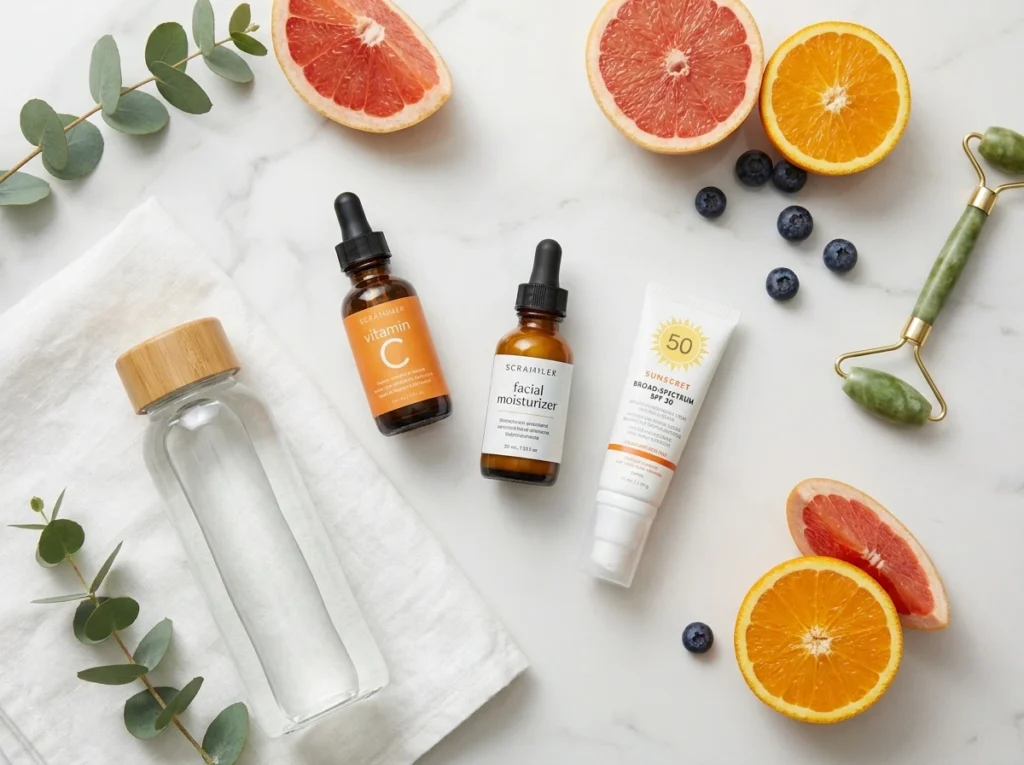
Healthy skin is rarely the result of one miracle product. Instead, it’s built through consistent daily habits that support your skin from the inside and out. While genetics play a role, your lifestyle, skincare routine, diet, sleep, and sun protection have a significant impact on how your skin looks and feels.
Many common skin concerns—including dryness, dullness, acne, and premature aging—can often be improved by making simple changes to your everyday routine. These habits don’t require expensive treatments or complicated skincare regimens. What matters most is consistency and choosing practices that protect your skin over time.
In this guide, you’ll discover 15 healthy habits that improve your skin naturally and help you achieve a brighter, smoother, and healthier complexion.
Table of Contents
Why Daily Habits Matter for Your Skin
Your skin is your body’s largest organ and is constantly exposed to sunlight, pollution, weather, and environmental stress. Daily habits influence your skin’s hydration, barrier function, elasticity, and overall appearance.
Healthy routines help:
- Maintain skin hydration
- Protect against environmental damage
- Reduce breakouts
- Support collagen production
- Improve skin texture
- Promote a natural glow
Small improvements repeated every day can produce noticeable results over time.
1. Cleanse Your Face Twice a Day
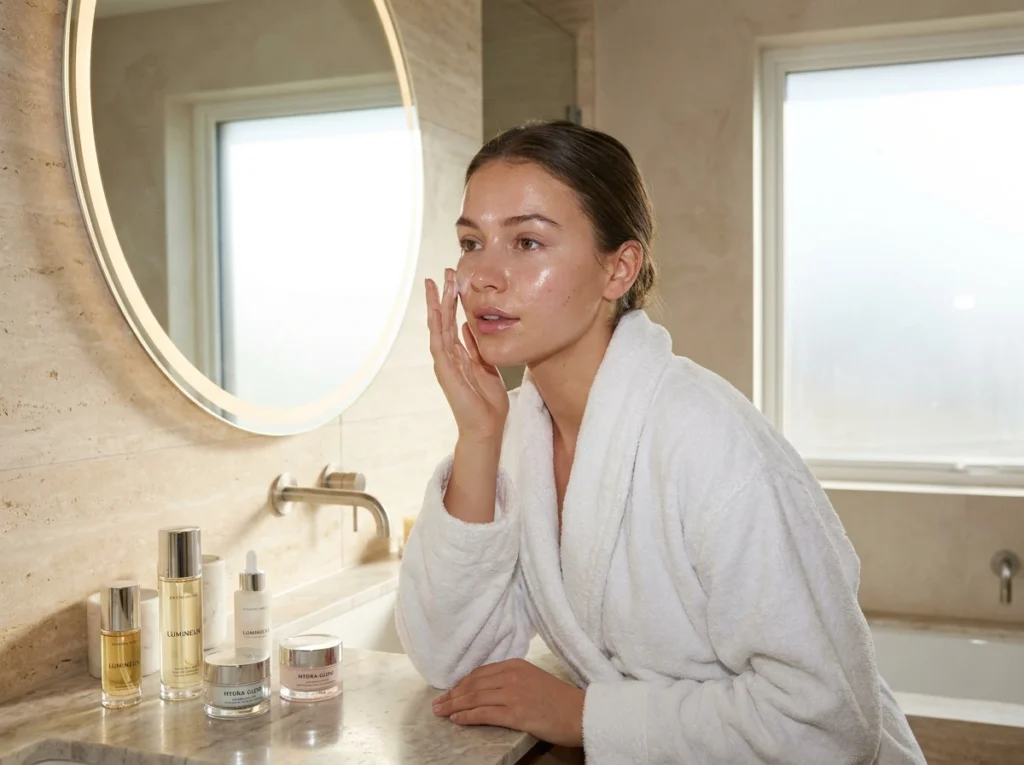
Cleansing removes dirt, excess oil, makeup, sunscreen, and pollutants that build up throughout the day.
Choose a gentle cleanser suitable for your skin type and avoid washing your face too frequently, as over-cleansing may weaken your skin barrier.
2. Wear Sunscreen Every Morning
One of the most effective habits for protecting your skin is applying sunscreen daily.
Use a broad-spectrum sunscreen with SPF 30 or higher, even on cloudy days. Reapply every two hours if you’re outdoors for extended periods.
Regular sun protection helps reduce the risk of dark spots, sunburn, and premature signs of aging.
3. Drink Enough Water
Hydration supports your body’s normal functions and helps maintain your skin’s natural moisture balance.
Carry a reusable water bottle throughout the day and include water-rich foods such as watermelon, cucumbers, and oranges in your diet.
4. Moisturize Daily
Regardless of your skin type, daily moisturizing helps maintain a healthy skin barrier.
Choose a moisturizer based on your skin’s needs:
- Gel formulas for oily skin
- Creams for dry skin
- Lightweight lotions for combination skin
5. Eat a Balanced Diet
The nutrients you consume can influence your skin’s health.
Focus on foods rich in:
- Vitamin C
- Vitamin E
- Zinc
- Omega-3 fatty acids
- Antioxidants
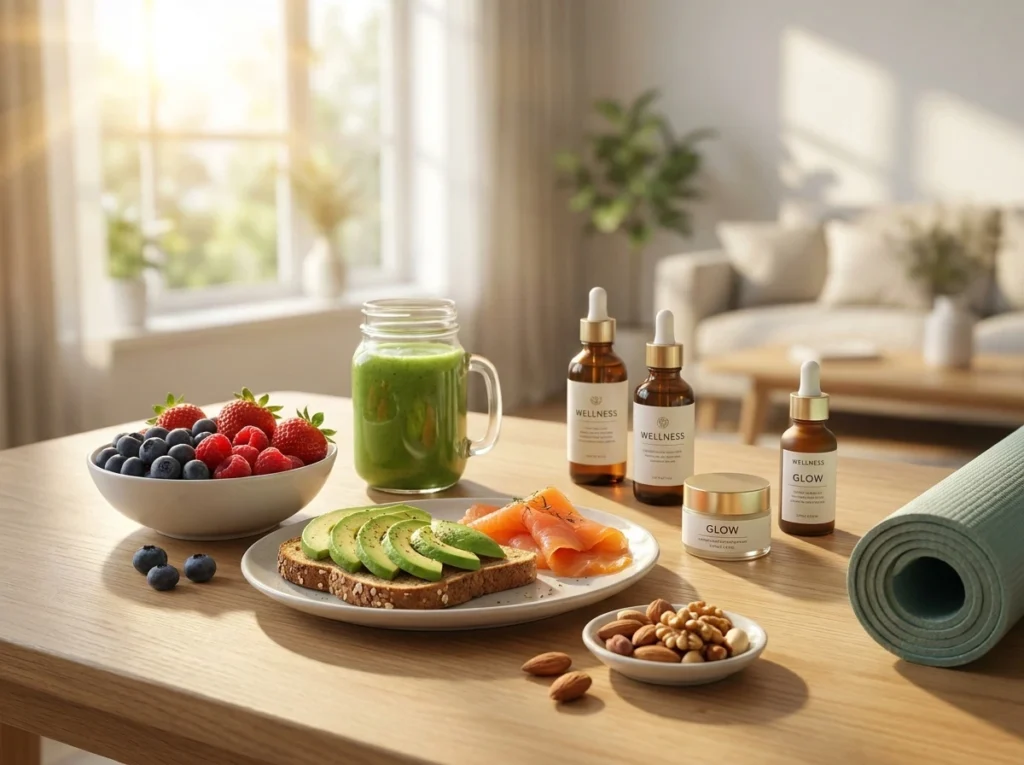
Excellent choices include berries, citrus fruits, leafy greens, salmon, nuts, seeds, and avocados.
6. Get Quality Sleep
Your skin repairs itself while you sleep.
Aim for seven to nine hours of quality sleep each night to support skin renewal and reduce the appearance of fatigue.
7. Exercise Regularly
Physical activity improves circulation, which helps deliver oxygen and nutrients to your skin.
After exercising, gently cleanse your face to remove sweat and reduce the risk of clogged pores.
8. Avoid Touching Your Face
Your hands come into contact with many surfaces throughout the day and can transfer dirt, oil, and bacteria to your skin.
Reducing unnecessary face touching may help minimize irritation and breakouts.
9. Clean Your Makeup Brushes
Makeup brushes and beauty sponges collect oil, bacteria, and product residue over time.
Wash them at least once a week to help keep your skin clean and improve makeup application.
10. Exfoliate in Moderation
Gentle exfoliation removes dead skin cells and promotes a smoother complexion.
Most people only need to exfoliate once or twice a week. Over-exfoliation may cause irritation and weaken the skin barrier.
11. Manage Stress
Stress can contribute to skin concerns such as breakouts and dullness.
Healthy stress-management techniques include:
- Walking
- Yoga
- Meditation
- Deep breathing
- Reading
- Spending time in nature
12. Avoid Smoking and Limit Alcohol
Smoking and excessive alcohol consumption can negatively affect your skin’s appearance by contributing to dehydration and premature aging.
Limiting these habits supports healthier skin over time.
13. Change Pillowcases Regularly
Your pillowcase can collect oil, sweat, skincare products, and dirt.
Changing it at least once a week helps create a cleaner sleeping environment for your skin.
14. Follow a Consistent Skincare Routine
A simple routine followed every day is more effective than constantly switching products.
A basic routine includes:
Morning
- Gentle Cleanser
- Vitamin C Serum
- Moisturizer
- Sunscreen
Evening
- Cleanser
- Hydrating Serum
- Moisturizer
Consistency allows skincare products enough time to work.

15. Be Patient with Results
Healthy skin develops gradually.
Most skincare products require several weeks of regular use before visible improvements appear. Avoid changing your routine too quickly unless a product causes irritation.
Bonus Tips for Naturally Healthy Skin
To further support your skin:
- Wear sunglasses and a wide-brimmed hat in strong sunlight.
- Remove makeup before sleeping.
- Use lukewarm instead of hot water when washing your face.
- Patch-test new skincare products.
- Choose fragrance-free products if you have sensitive skin.
Common Habits That Can Damage Your Skin
Avoid these everyday mistakes:
- Sleeping with makeup on
- Skipping sunscreen
- Using harsh cleansers
- Picking at pimples
- Over-exfoliating
- Not moisturizing
- Using expired makeup
- Trying too many new products at once
Replacing these habits with healthier alternatives can make a noticeable difference.
Frequently Asked Questions
How long does it take for healthy habits to improve skin?
Many people notice improvements in hydration and texture within a few weeks. More significant changes, such as improved skin tone or fewer breakouts, may take six to twelve weeks of consistent care.
Which habit has the biggest impact on skin health?
Daily sunscreen is one of the most effective habits for protecting your skin from premature aging and sun damage. Pairing it with cleansing, moisturizing, and healthy lifestyle choices provides the best long-term results.
Does diet really affect skin?
A nutritious diet supports overall skin health by providing essential vitamins, minerals, healthy fats, and antioxidants. While diet alone won’t solve every skin concern, it can play an important role in maintaining healthy skin.
Is it necessary to follow a long skincare routine?
No. A simple routine with a gentle cleanser, moisturizer, sunscreen, and a targeted treatment if needed is often enough for healthy skin.
Final Thoughts
Developing healthy habits that improve your skin is one of the best long-term investments you can make for your appearance and overall well-being. Small actions—such as wearing sunscreen every day, staying hydrated, eating nutritious foods, sleeping well, and following a consistent skincare routine—can help your skin look healthier, smoother, and more radiant over time.
Remember that glowing skin doesn’t come from perfection or expensive products. It comes from consistency, patience, and daily habits that support your skin’s natural ability to protect and renew itself.