
Best Skincare Routine for Acne-Prone Skin: A Complete Guide to Clearer, Healthier Skin
Introduction
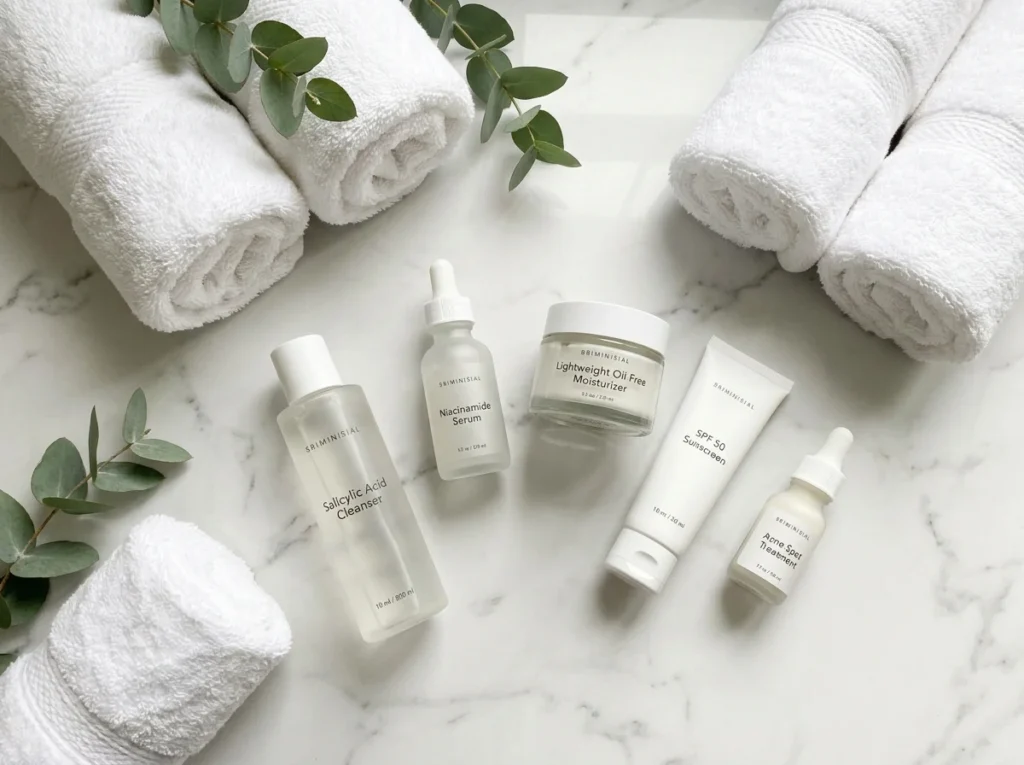
Acne-prone skin can be frustrating to manage, especially when breakouts appear despite your best efforts. Pimples, blackheads, whiteheads, and occasional inflammation are common concerns, but the right skincare routine can help reduce flare-ups and improve your skin’s overall health.
One of the biggest mistakes people make is trying too many products at once or using harsh treatments that strip the skin. While it may seem logical to dry out acne, over-cleansing and aggressive products can weaken the skin barrier, leading to irritation and even more breakouts.
The best skincare routine for acne-prone skin focuses on gentle cleansing, balancing oil production, keeping pores clear, and protecting the skin barrier. With consistency and patience, you can achieve clearer, healthier-looking skin.
Table of Contents
Understanding Acne-Prone Skin
Acne develops when pores become clogged with excess oil (sebum), dead skin cells, and bacteria. Hormonal changes, genetics, stress, certain medications, and some cosmetic products can all contribute to breakouts.
Common signs of acne-prone skin include:
- Frequent pimples
- Blackheads
- Whiteheads
- Enlarged pores
- Oily T-zone
- Red or inflamed blemishes
- Post-acne marks
Not everyone experiences the same type of acne, so your routine should match your skin’s needs.
Morning Skincare Routine
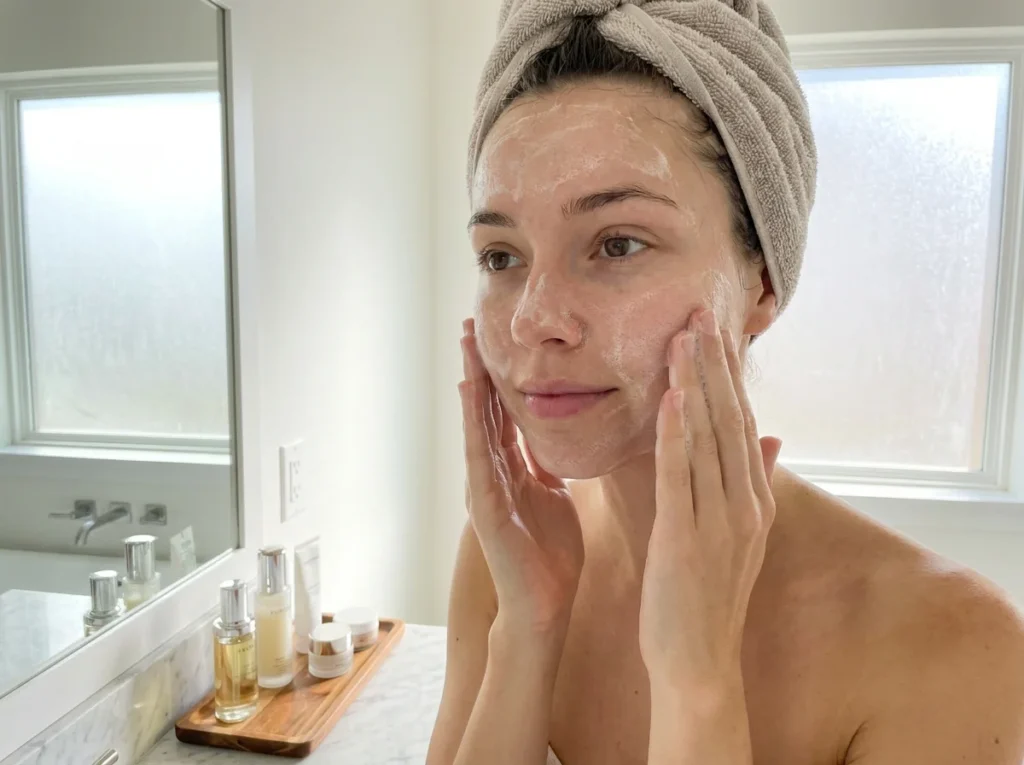
Step 1: Cleanse with a Gentle Acne Cleanser
Wash your face every morning using a gentle cleanser formulated for acne-prone skin.
Ingredients that may help include:
- Salicylic Acid
- Zinc
- Green Tea Extract
Avoid harsh scrubs or strong soaps that leave your skin feeling tight.
Step 2: Apply a Balancing Toner
A hydrating, alcohol-free toner helps remove leftover impurities and prepares your skin for the next steps.
Look for ingredients such as:
- Niacinamide
- Panthenol
- Aloe Vera
These ingredients help soothe the skin without causing irritation.
Step 3: Use a Targeted Serum
A lightweight serum can help manage acne while supporting healthy skin.
Niacinamide
Helps regulate oil production, reduce redness, and improve skin texture.
Azelaic Acid
May help reduce post-acne marks and improve overall skin tone.
Hyaluronic Acid
Provides hydration without clogging pores.
Choose one treatment at a time to reduce the risk of irritation.
Step 4: Moisturize
Many people with acne skip moisturizer, but this can actually make the skin produce more oil.
Choose an oil-free, non-comedogenic moisturizer that keeps your skin hydrated without blocking pores.
Ingredients like ceramides and glycerin help maintain a healthy skin barrier.
Step 5: Apply Sunscreen
Sun protection is essential, especially if you’re using acne treatments that increase sun sensitivity.
Choose a broad-spectrum sunscreen with SPF 30 or higher.
Look for lightweight, non-comedogenic formulas designed for acne-prone skin.
Evening Skincare Routine
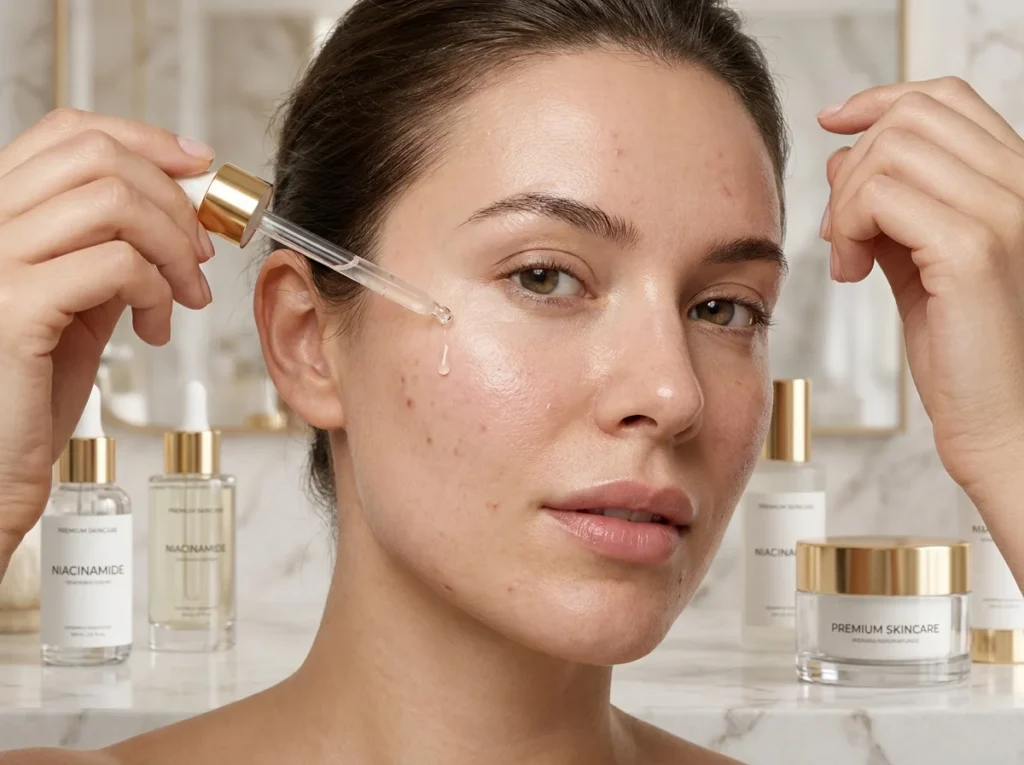
At night, focus on cleansing away sunscreen, makeup, and daily impurities while supporting skin repair.
A simple evening routine includes:
- Gentle Cleanser
- Hydrating Toner
- Treatment Serum (such as retinoids or benzoyl peroxide if recommended by a healthcare professional)
- Oil-Free Moisturizer
If you’re using strong acne treatments, introduce them gradually to minimize irritation.
Weekly Treatments
Exfoliate Carefully
Chemical exfoliants can help prevent clogged pores.
Salicylic acid is a popular option because it penetrates into pores to remove excess oil and dead skin cells.
Limit exfoliation to one or two times per week unless otherwise directed by a dermatologist.
Use a Clay Mask
Clay masks can absorb excess oil and help reduce the appearance of enlarged pores.
Use a clay mask once a week, especially if your skin becomes oily throughout the day.
Best Ingredients for Acne-Prone Skin
Salicylic Acid
Helps unclog pores and reduce blackheads.
Niacinamide
Balances oil production and calms redness.
Azelaic Acid
Improves uneven skin tone and may reduce acne-related discoloration.
Ceramides
Support the skin barrier and reduce moisture loss.
Hyaluronic Acid
Hydrates without feeling heavy or greasy.
Lifestyle Habits That Help Reduce Acne
Healthy daily habits can complement your skincare routine.
- Wash pillowcases every week.
- Clean your phone screen regularly.
- Remove makeup before sleeping.
- Avoid picking or squeezing pimples.
- Drink enough water.
- Eat a balanced diet rich in fruits, vegetables, and healthy fats.
- Get seven to nine hours of sleep.
- Manage stress through exercise or relaxation techniques.

Common Mistakes to Avoid
Many acne flare-ups become worse because of these habits:
- Washing your face too often
- Using harsh scrubs
- Popping pimples
- Skipping moisturizer
- Trying multiple acne treatments at once
- Forgetting sunscreen
- Sleeping with makeup on
Keeping your routine simple is usually more effective than constantly changing products.
Frequently Asked Questions
Should acne-prone skin use moisturizer?
Yes. An oil-free, non-comedogenic moisturizer helps maintain hydration and protects the skin barrier.
Is sunscreen necessary for acne-prone skin?
Absolutely. Daily sunscreen helps prevent post-acne marks from becoming darker and protects your skin from UV damage.
How often should I exfoliate?
For most people, one or two times per week is enough. Over-exfoliating can irritate the skin and worsen breakouts.
Can stress make acne worse?
Yes. Stress may increase oil production and inflammation, contributing to acne flare-ups in some people.
When to See a Dermatologist
While many cases of mild acne improve with consistent skincare, it’s important to seek professional advice if:
- Acne is painful or cystic.
- Breakouts leave deep scars.
- Over-the-counter products have not helped after several weeks.
- Acne is affecting your confidence or daily life.
A dermatologist can recommend prescription treatments tailored to your skin.
Final Thoughts
The best skincare routine for acne-prone skin is built around consistency, gentle care, and ingredients that support both clear pores and a healthy skin barrier. A routine that includes a mild cleanser, targeted treatments, lightweight hydration, and daily sunscreen can help reduce breakouts and improve your skin over time.
Remember that acne rarely disappears overnight. Most skincare products require several weeks of regular use before noticeable improvements appear. Stay patient, avoid harsh treatments, and focus on long-term skin health rather than quick fixes.