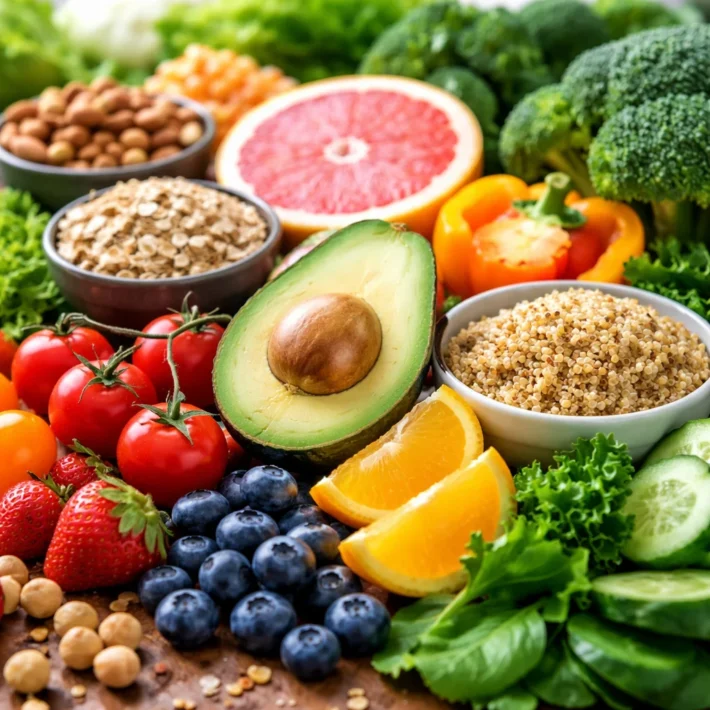
Are Superfoods Real? Debunking the Myths and Facts
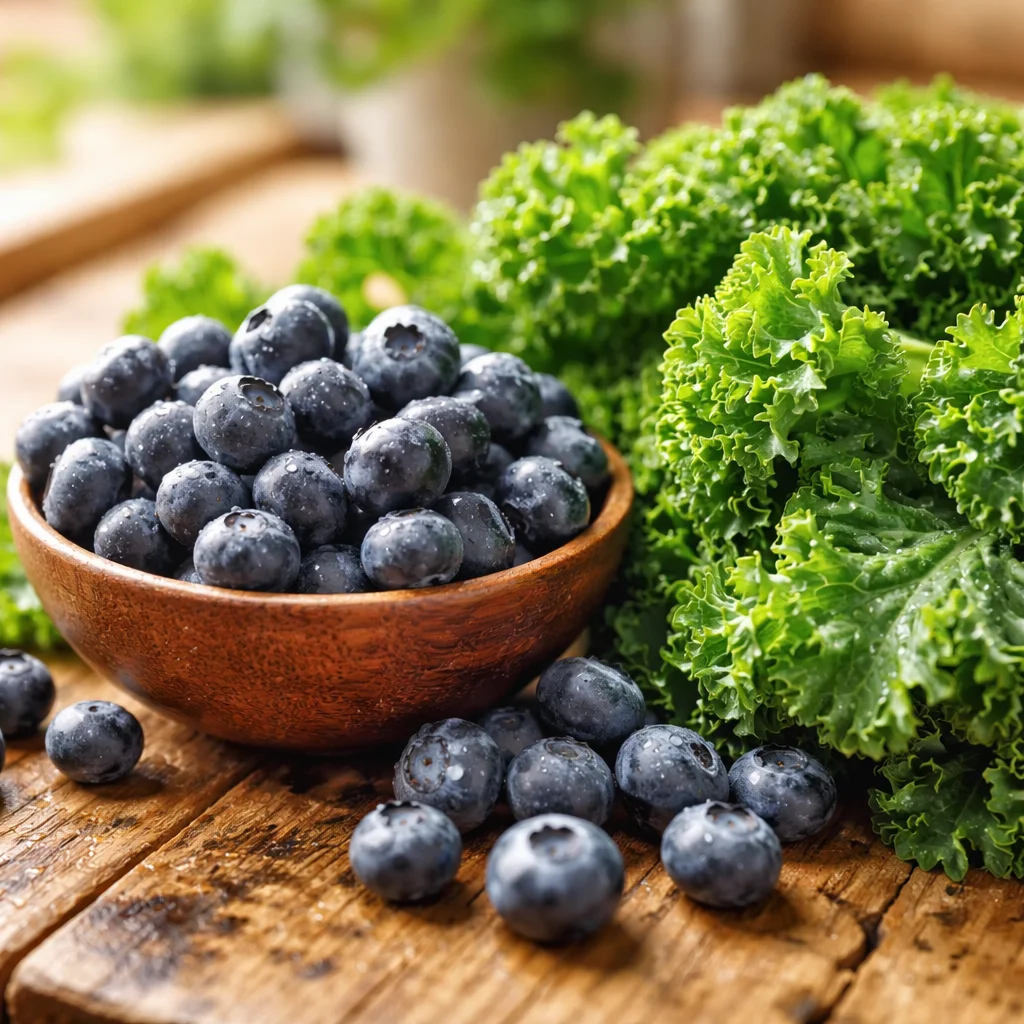
Ever caught yourself asking, “Are Superfoods Real?” Good grief, I’ve been there too—standing in the grocery aisle, staring at a bag of organic goji berries (pricey little divas), wondering if they’d magically make me feel amazing. It’s almost like you need a PhD to pick a smoothie ingredient. With beauty trends going wild—like that twist out hairstyle that’s all over Instagram (see: natural hair twist outs) and everyone chasing the latest beauty skincare tip (get the scoop here)—the hype is everywhere, not just in food. So, do we need to buy loads of “superfoods” for better health, or is it all marketing smoke and mirrors? Let’s dish the real dirt!
Understanding the History of Superfoods
Okay—real talk—the word “superfood” isn’t some magical badge handed out by nutrition gods. It’s a marketing invention (yep, really).
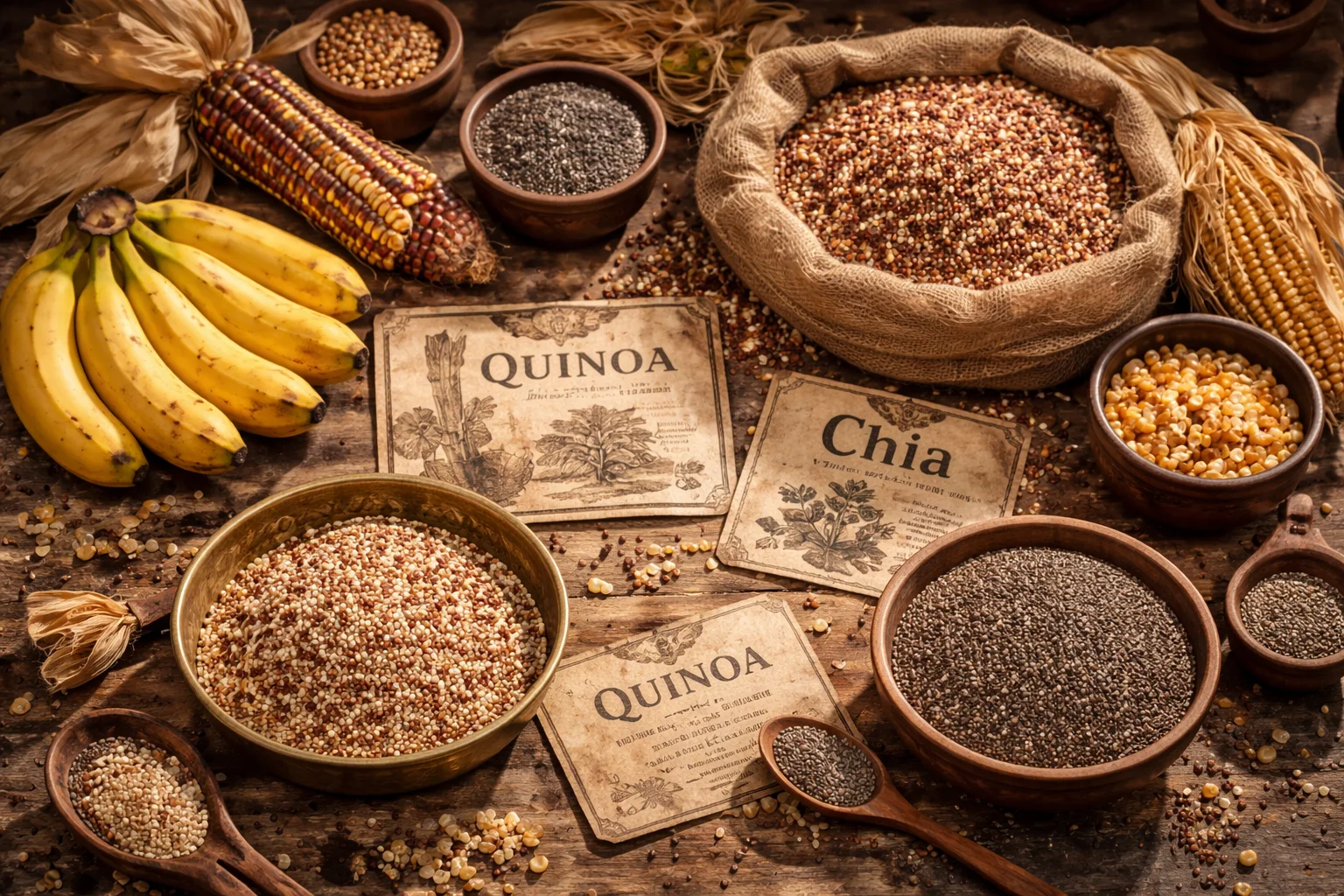
- The term popped up in the early 20th century, mostly for selling bananas. Bananas!
- “Superfood” has no scientific definition—just sounds cool, right?
- Most nutrition experts agree that eating whole, unprocessed foods (think spinach, blueberries, beans) is key, not just “super” ones.
Oh, and don’t fall for labels that slap “superfood” on packaged snacks. You know what’s truly super? Actual food that grows from dirt.
I used to pay double for “superfruit” bars, until my grandma said, “Why not eat an apple and save your money for hair care?” She’s got a point.
The Nutritional Benefits of Superfoods
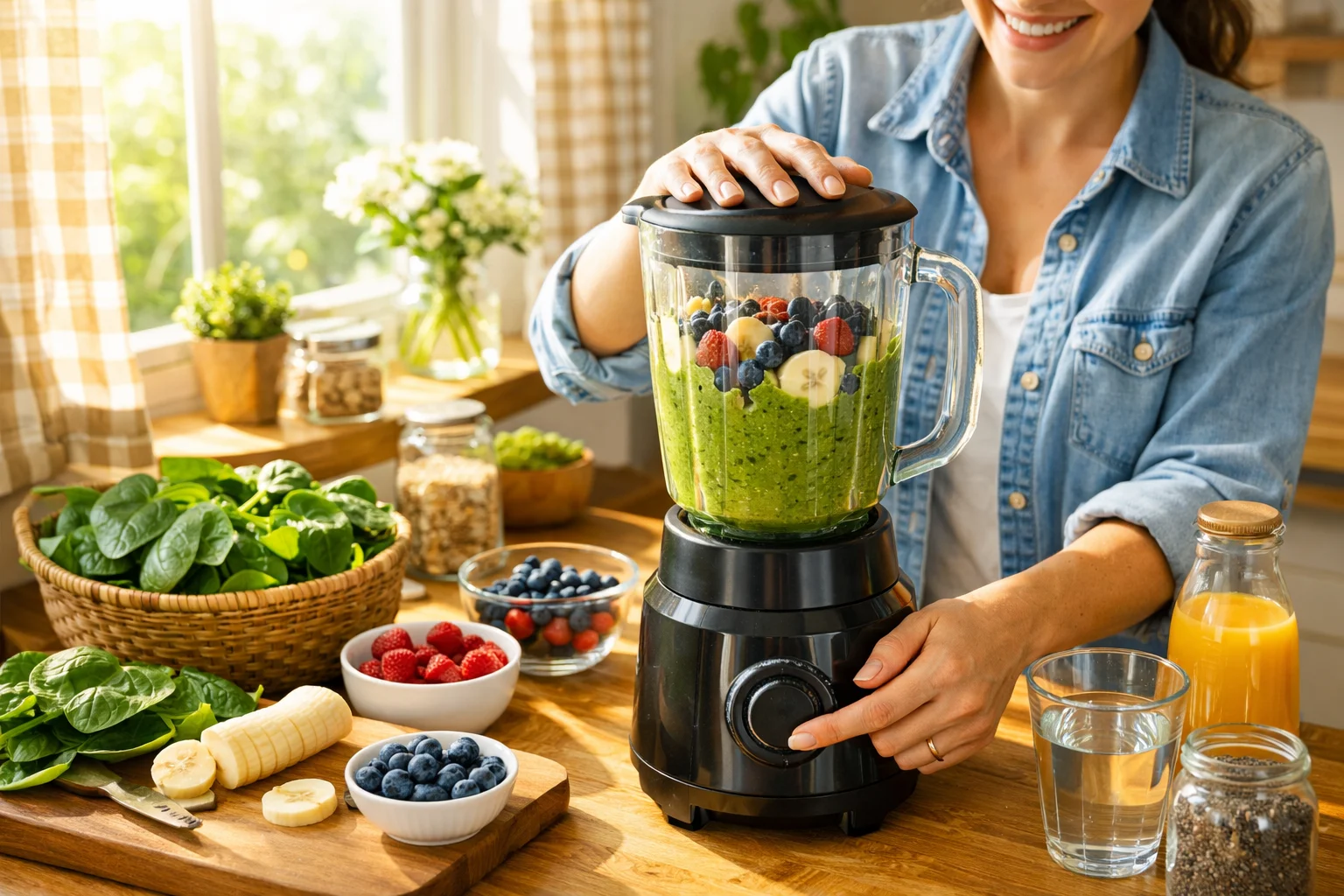
So, let’s not kid ourselves—some superfoods do pack a wallop in terms of nutrients.
- Blueberries, kale, salmon, and nuts—those have fiber, antioxidants, Omega-3s, the good stuff.
- Eating these foods regularly might help lower risk of chronic stuff, like heart disease.
- But loading up on one “miracle” berry? Nah, it won’t fix a week of junk food.
And remember: Variety is the real champion here. (Like switching up your hair care routine if you want healthier roots.)
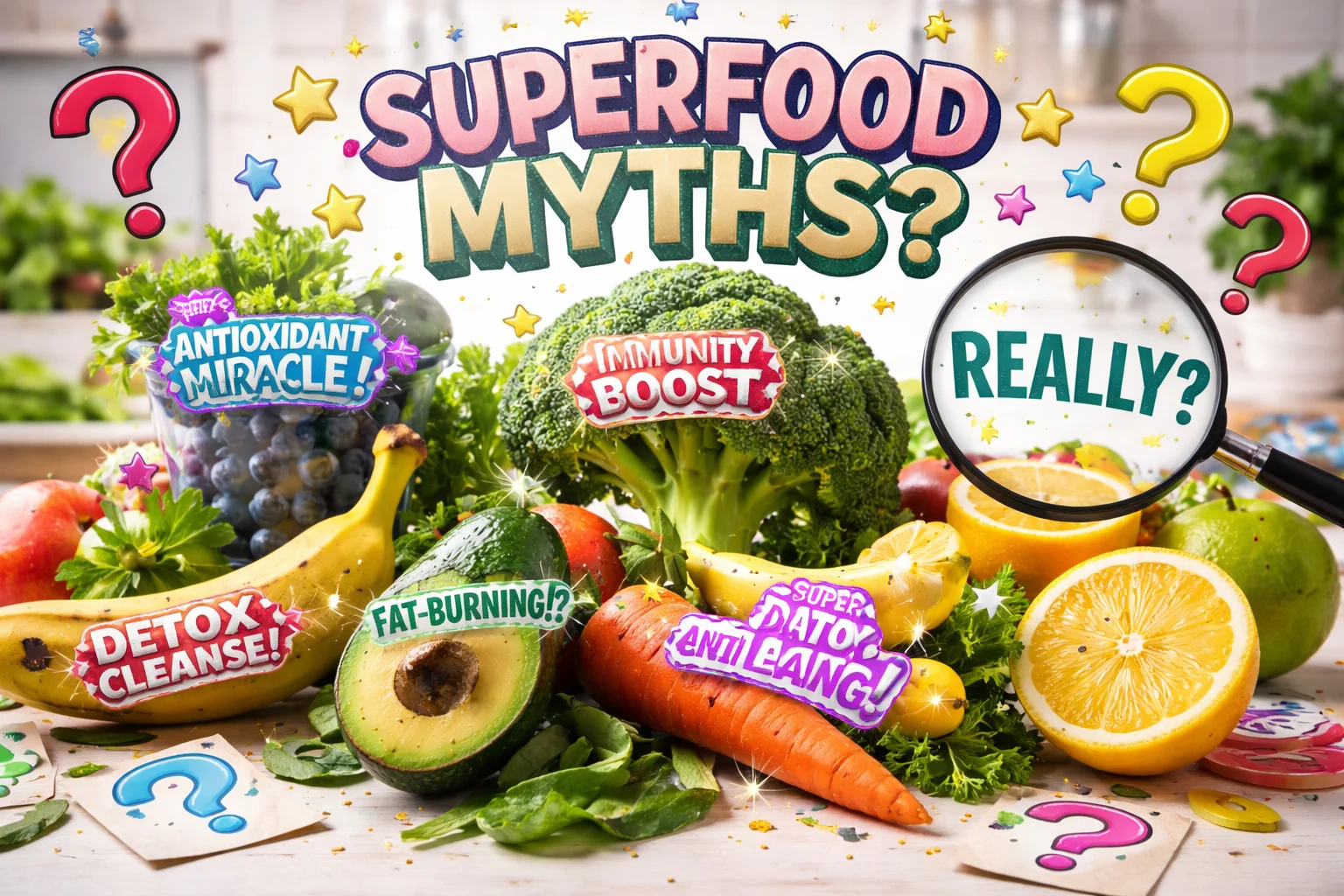
Myths and Misconceptions About Superfoods
Let’s bust a few bubbles, shall we? Not everything with a shiny “super” label deserves your cash.
- Superfoods don’t cure diseases. Sorry—no single food is a magic ticket.
- Exotic doesn’t mean better. Local spinach can be just as “super” as acai from the rainforest.
- Pricey powders and pills? Often, they’re just expensive versions of stuff you can get fresh or frozen.
If you hear someone claim their snack mix will “detox” your insides? Hard pass—I’ve heard that one so many times, my eye twitches.
How to Effectively Incorporate Superfoods into Your Diet
You don’t need a Hollywood chef or crazy shopping list. Let’s keep this simple, friend.
- Start with familiar items—try adding spinach to your eggs, or berries to your cereal.
- When in doubt, frozen is fine—it’s convenient and (shh) often cheaper.
- Don’t stress over the “super” part; focus on real, colorful foods every meal.
Maybe skip the $15 chia-cacao-coconut-bars. Your wallet (and tastebuds) will thank you.
The Role of Superfoods in Overall Health
Now, here’s the straight-up truth—superfoods can be part of a healthy plan, but they aren’t the whole plan.
- Use them to boost a balanced diet—don’t make them your only focus.
- Sleep, exercise, basic self-care (yep, nails and skin count!) matter just as much. Check out some nail care tips if you’re on a self-improvement kick.
- Honestly, what matters most? Eating a mix of nutritious foods, laughing a little every day, and not stressing over every bite.
| Superfood | Main Benefit | Easy Swap |
|---|---|---|
| Blueberries | Antioxidants | Strawberries |
| Kale | Vitamins K & C | Spinach |
| Salmon | Omega-3 | Sardines |
| Chia Seeds | Fiber | Flax Seeds |
Common Questions
Do I have to eat exotic “superfoods” to be healthy?
Nope! Everyday foods—like beans, apples, and carrots—are just as great. You can skip the mystery berries from halfway around the world.
Is there a risk eating too many superfoods?
Well, you sure can overdo it. Even healthy things (looking at you, avocados) have calories and can mess with your belly if you eat buckets.
Are superfood powders worth it?
Usually not. You can get the same nutrients from regular whole foods, and they taste better, too—unless you love dust in your smoothies.
Do kids need superfoods?
Not specifically. Just give ’em a variety of fruits, veggies, grains, and proteins. It’s the “super plate” that matters, not just a single food.
How do I know a “superfood” isn’t just a marketing trick?
If the claims sound too good to be true, they probably are. Look for real nutrition info, not miracle promises.
The Most Down-to-Earth Takeaway
So, here’s where I land on superfoods after all that hype and research: there’s nothing wrong with eating nutrient-packed foods—of course. But don’t fall into the “one-food-to-rule-them-all” trap. (I say this as a lifelong food lover who’s made every smoothie mistake in the book!) If you want the scoop straight from the pros, check out Harvard’s take on Superfoods or Superhype?, or this insightful read—Do Superfoods Exist?. Mayo Clinic even digs into the marketing behind the science. You’ll also find a shortlist of truly “super” foods (notice they aren’t as rare as you’d expect).
Bottom line? Throw some blueberries in your yogurt or add spinach to your soup—don’t worry if it’s trendy. Be kind to your body, your budget, and your tastebuds. And if you end up discovering a new favorite, hey, let me know!