
How Stress Kills Brain Cells and What You Can Do About It
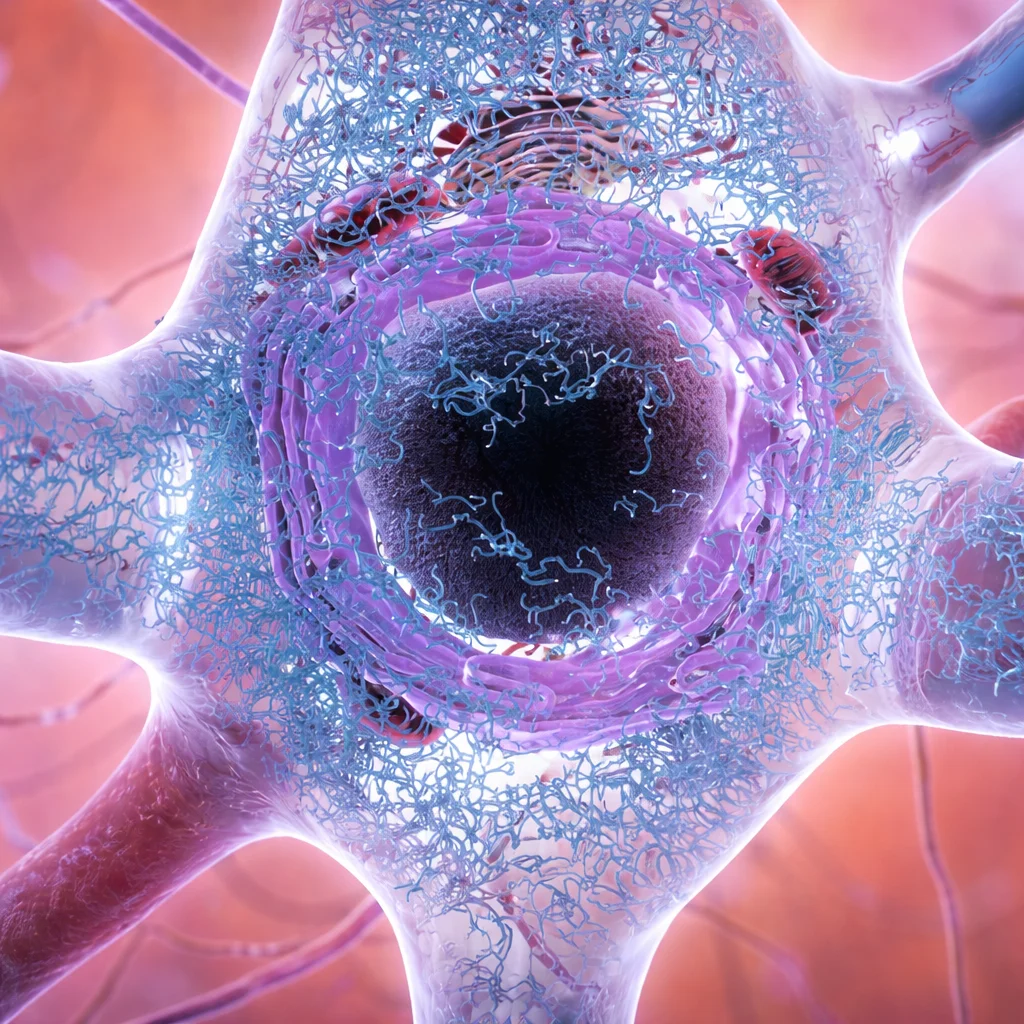
Stress Kills Brain Cells. There—I said it. It’s not just some melodramatic headline either; you know when life piles up and everything is a mess? Yeah, that’s when things get dicey for your brain. I mean, haven’t we all pulled our hair out worrying about work deadlines or random family drama? And sure enough, while we’re fussing, that stress is busy doing a number inside your head. Oh, and don’t just take my word for it—there’s tons more on managing stress, and you can even peek at this simple guide to nervous system support or get tips for holistic wellness at home if you need backup.

Understanding the impact of stress on brain cells
Let’s get right to it: stress isn’t just “in your head”—it actually messes with your brain cells. Wild, huh?
- Chronic stress? It dumps cortisol (that’s the stress hormone) straight into your noggin, which, honestly, is like dumping soda on a laptop.
- That cortisol? It shrivels up cells in the hippocampus—fancy word for your brain’s “memory center.”
- Good news (sort of): not all stress is deadly. But, chronic stress? It’s like a slow leak you barely notice until your brain feels like overcooked oatmeal.
- And to top it, feeling frazzled all the time makes it tougher for your brain cells to “talk” to each other. Foggy brain, anyone?
Take it from my Aunt Ruth—she swears every time her stress levels spike, she forgets where she put her glasses. (Turns out, research backs this up. Go figure.)
“After my big move last year, I couldn’t remember the simplest things—I thought I was losing my mind! Turns out, it was stress. Once I learned some relief tricks, it all got better.” – Karen, NY

Long-term effects of stress on cognitive health
Alright, let’s not sugarcoat it: long-term stress? Not great for your noodle.
- Over time, stressed brains can lose connections (I mean, literally—bye, bye, brain cells).
- Attention span? Drop-kicked. Memory? Pretty patchy too.
- Ever get that “my brain feels old” feeling? Blame the stress.
- Serious business though—chronic stress has been linked to earlier cognitive decline.
Commuting through rush hour traffic every day? That’s basically my brain’s version of a horror movie. Honestly, even my grammar gets scrambled when I’m stressed for too long.

Stress management techniques for brain health
Okay, enough doom and gloom. Here’s the juicy stuff—actual things you can do right now to help. Promise, none of this is rocket science.
- Step outside. No, really. Just… stand there a minute. Trees are optional, but helpful.
- Eat something green (not moldy, like, spinach). Or blueberries! They’re like brain fuel.
- Cut back on doom-scrolling. TikTok rabbit holes don’t count as “rest.”
- Talk it out. Doesn’t matter if it’s with your bestie or the guy who always gets your coffee order wrong. Just vent.
And hey, I’m always into trying a new mindful morning routine—it seriously resets my mood (10/10, would recommend).
The connection between stress and neurodegenerative diseases
Now here’s the tough bit—but stay with me, it’s important.
- Studies link chronic stress to higher risks for big stuff, like dementia and Alzheimer’s. Total bummer.
- Stress kind of “ages” your brain faster than chocolate cake disappears at a birthday party.
- Those stressed-out brain cells? Some scientists think they set the stage for diseases down the road.
If you’ve ever wondered why some folks show memory problems earlier, stress might be sneaking in as a culprit. Not making this up!
Research findings on stress and brain function
Science nerd moment here, but you’ll want to hear this.
- Tons of studies say stress cuts off the brain’s power supply. Not joking.
- Research from super smart folks found stressed mice (poor little guys) actually lost brain cells.
- Even after just a couple weeks of major stress, brain scans show less gray matter activity.
But! The same research says your brain can “bounce back” with the right habits. How wild is that?
Common Questions
Isn’t some stress good for you?
A dash is fine—like hot sauce. Too much, and you’re in trouble. Small bits can boost focus, but chronic stress? Just nope.
Can stress-induced brain damage be fixed?
Good news: healthy habits can help your brain heal. Just, uh, don’t expect miracles overnight.
What should I eat to help my brain right now?
Anything in the produce aisle (that you actually like). And stay hydrated—your brain hates being thirsty.
How can I tell if stress is affecting my memory?
If you keep losing your keys, mixing up names, or blanking on common words… time to take that seriously.
Do I need a doctor, or is home management okay?
If your stress is ruining daily life, get help—really. Otherwise, start with small, healthy habits and see how it goes.
Your Brain Deserves a Break: My Two Cents
Alright, so that’s the lowdown—stress kills brain cells, sure, but it doesn’t have to be the end of your story. Start with small changes (and trust your gut). If you want the nitty-gritty science, check out Stress Kills Brain Cells Off | Scientific American—it’s fascinating. Wondering how stress may actually be at the root of diseases? This explainer on Are stressed-out brain cells the root cause of neurodegenerative … breaks it down. Honestly, don’t go it alone—lean on friends, food, or even see a doc. Oh, and Harvard’s got practical advice to protect your brain from stress, so give it a look!
Your brain will thank you—and hey, so will your memory the next time you forget why you walked into the kitchen. Happy de-stressing!