
Sculpture sur cheveux : cette artiste ressemble à un personnage Disney
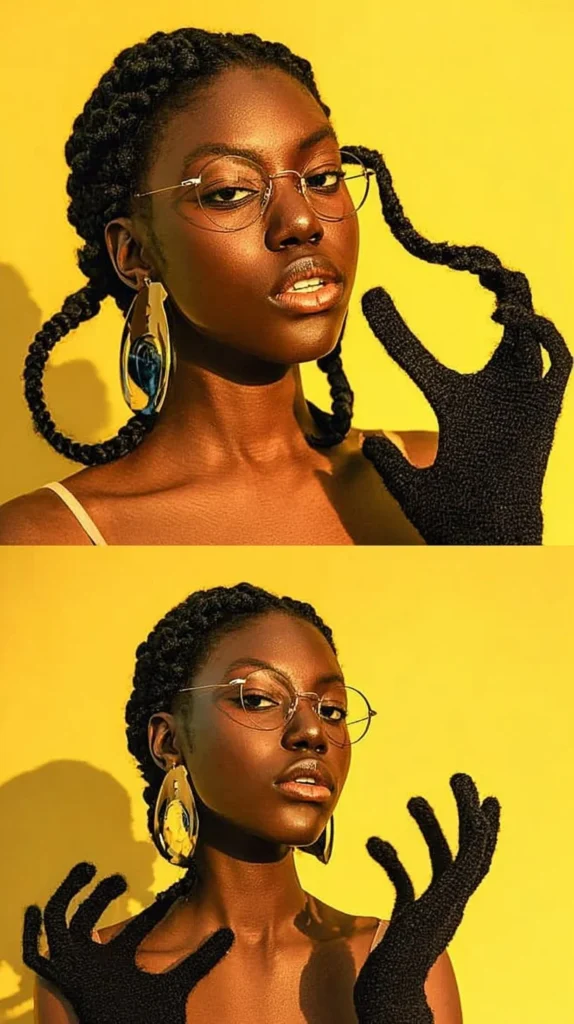
Hair as Sculpture: The Artist Who Looks Like a Disney Character
There’s a new kind of portrait emerging from contemporary craft: hair not merely styled but sculpted. One artist has captured attention by turning long, dark hair into three-dimensional forms that seem to belong to storybook worlds — and by accidentally (or deliberately) resembling a Disney character herself. The combination of uncanny likeness and meticulous technique has made her work hard to ignore on social feeds, in magazines, and among art and fashion circles.
Why hair sculpture feels novel
Hair is intimate, ephemeral, and linked to identity. Turning it into sculpture challenges expectations: instead of hair signaling personality through cut and color, the artist uses it as raw material for constructed figures and architectural shapes. This flips hair from personal ornament to public object, inviting viewers to consider craft, labor, and the boundary between human and artifice.
The visual effect of her pieces is striking: loops, braids, and coiled sections become clouds, animals, or miniature human silhouettes. When the artist herself presents these works while adopting a vocal expression or pose reminiscent of a well-known animated heroine, the resemblance amplifies the narrative dimension. The viewer reads the hair sculpture as part of a larger, performative tableau, where pop culture recognition deepens the emotional response.
Technique and materials
Sculpting hair requires patience and a blend of disciplines: millinery, wig-making, and fine sculpture. The artist often works with both real human hair and synthetic fibers to balance texture and stability. Internal armatures — wire frames, mesh, or biodegradable supports — give the forms structure without compromising the flowing character of the hair. Adhesives, careful knotting, and heat-setting techniques help the piece hold its shape while appearing light and natural.
Beyond technique, the conceptual choices matter. Does the sculpture imitate a creature from folklore, or is it an abstract study of volume and shadow? The artist’s most successful works manage both: they are precise technical achievements and suggestive visual metaphors that invite multiple readings.
Cultural resonance and critique
The intersection of a familiar, almost corporate visual language like “Disney-ness” with handcrafted hair sculptures raises a few important questions. On one hand, the playful, wholesome associations of animated characters can make the work instantly accessible and viral-friendly. On the other, leaning too heavily on established pop-culture imagery risks simplifying complex labor into a likeness-driven spectacle.
Critics might ask whether comparing the artist to an animated persona reduces her to a cultural stereotype or whether it amplifies her visibility in useful ways. Many viewers, however, celebrate the mash-up: the refinement of craft with the approachable fantasy of animation creates a new way to experience both.
Social media and attention economy
Visual artists working with unconventional materials often find their audience through social media. Short videos showing the construction process, before-and-after photos, and staged portraits that highlight the artist’s own resemblance to a beloved character accelerate sharing. That exposure can be a boon — commissions, collaborations with fashion houses, and gallery interest often follow viral moments. The flip side is that nuance and process can be lost when quick reactions substitute for sustained critical attention.
Where hair sculpture can go next
There are several paths forward for this practice. One is to deepen the sculptural language: larger installations, interactive pieces, or collaborations with dancers whose movement activates hair-formed elements. Another is to explore sustainability and ethics: using donated hair, recycled fibers, or temporary installations that return materials to the earth. Finally, crossover projects with costume designers, theater companies, and film could expand the medium’s reach while grounding it in narrative contexts.
Appreciating the work
When you encounter hair sculpture — whether online or in person — look for three things: the intelligence of the internal structure, the fidelity of surface detail (how the hair lies and catches light), and the conceptual framing (what story the piece asks you to inhabit). A work that excels technically but lacks a sense of narrative or social grounding may impress visually without resonating. The most memorable pieces combine craft, character, and context.
Conclusion
For the original French piece that introduced many readers to this hair-sculpting artist, see Sculpture sur cheveux : cette artiste ressemble à un personnage …, which documents the public reaction and images that sparked the conversation. To place this practice within broader contemporary-art debates about spectacle and shock, the retrospective overview of Paul McCarthy (Deuxième rétrospective 2001-2016) offers useful context. If you’re interested in how mainstream outlets cover the overlap between celebrity aesthetics and fandom, the Disney coverage on Madmoizelle provides several relatable examples. Finally, for an example of how playful, pop-infused imagery is translated into crafted editions by major artists, explore the Jeff Koons | Bernardaud Porcelain page showcasing collaborations that blur art, design, and commercial exchange.