
Can’t Get Your Kids to Fall Asleep? These Tips Might Help!

Can’t Get Your Kids to Fall Asleep? Try This. We’ve all been there—lying in the dark, listening to your kid fidget, sing, or just chatter their way through the minutes (okay, hours). It feels like you could braid a hundred ponytails or plan your next vacation nails while you wait (seriously, check out these easy ponytail hairstyles or dream of vacation-worthy nails). The struggle is real, but it doesn’t have to be battle royale every single night. Let’s chat about what actually helps when it’s time for lights out. 
Understanding the Importance of Sleep for Preschoolers
Preschoolers need good sleep—like, really need it.
- Growth, mood, and even immune systems rely on enough zzz’s.
- Inconsistent sleep affects their attention spans (and your sanity).
- Good sleep sets the stage for happier mornings—trust me, everyone wins.
- Tired kids = cranky kids. Enough said.
A friend once told me after her twins started getting better sleep, mornings became so mellow she didn’t even need her second cup of coffee. That’s no small miracle.
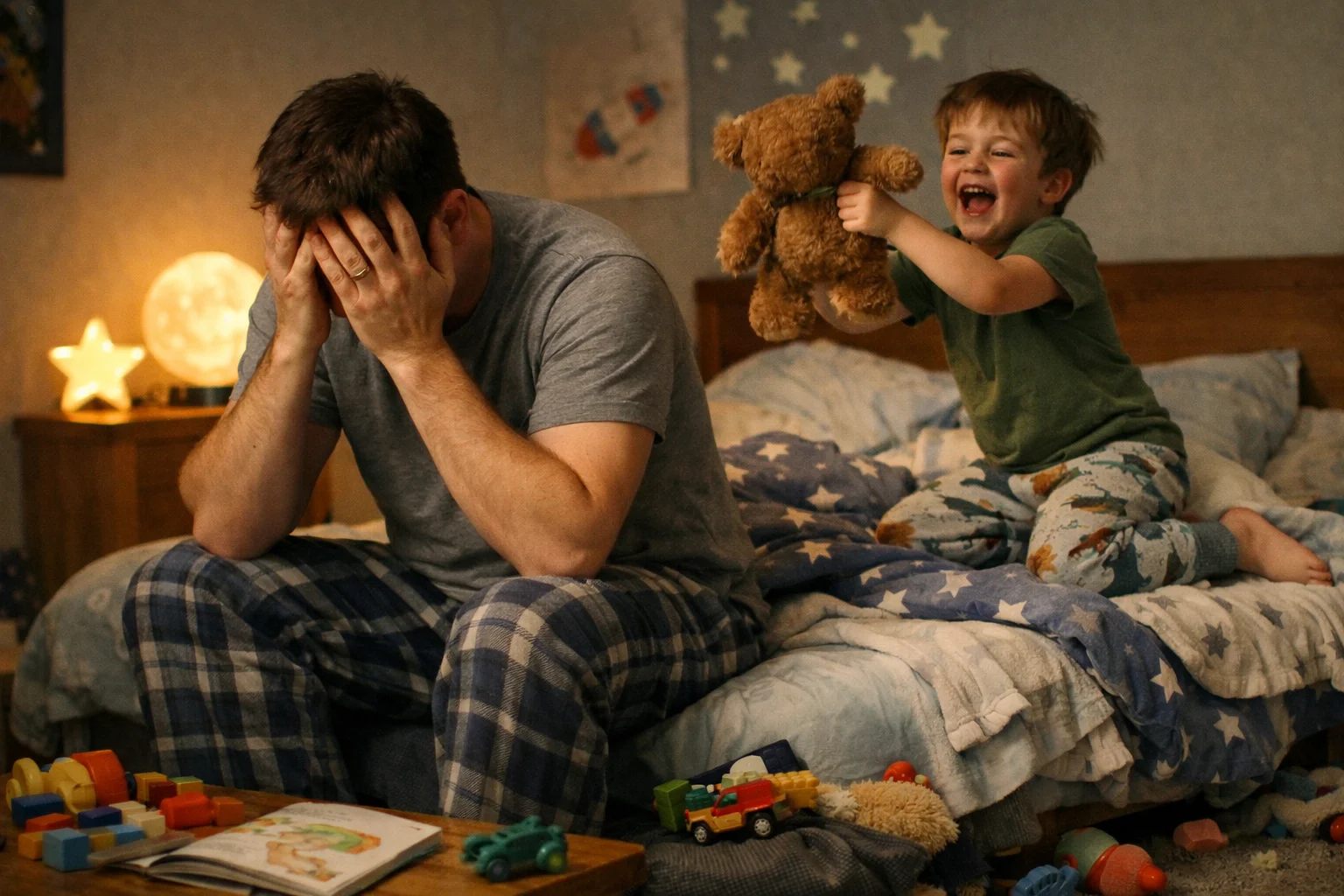
Common Bedtime Challenges Parents Face
Let’s just say, bedtime can test your patience.
- Classic delay tactics: “I’m thirsty!” “Where’s my bear?” “One more story?”
- Fear of missing out—seriously, they think you’re about to have a party without them.
- Restless legs, endless talking, or sudden bursts of wild energy.
- Sibling squabbles that pop up at the worst moment.
“It wasn’t until I realized my daughter was just anxious about the dark that we made progress. A tiny nightlight, and suddenly bedtime drama dropped by half,” shares Jamie, a mom in my local parent group.

Strategies for Getting Kids to Fall Asleep
Here’s where things get interesting—and practical.
- Stick to a super predictable routine. Kids thrive on knowing what’s next.
- Dim lights, quiet sounds, and cozy pajamas (not the scratchy ones!).
- Try gentle wind-down activities: a warm bath, calming story, soft music.
- Put away screens at least 30 minutes before bedtime, or good luck.
When I switched up bedtime to include a slow, snuggly story (I’m talking extra silly voices), things suddenly got way easier. Imagine that.
Tips to Help Your Child Stay in Bed
It’s one thing to get them down. Keeping them there—whole different ballgame.
- Make their bed the comfy spot—think favorite stuffies, soft sheets, the works.
- Offer a small reward if they stay all night. Sticker charts—old school but they totally work.
- If they wander, calmly walk them back—every single time (no lectures, just quiet shuffling).
- Keep all requests till the morning. Yes, even that “urgent” water break.
Oh, and check out some cute back-to-school hairstyles—bribes sometimes work, no judgment.
Dealing with Nightmares and Night Wakings
Those midnight wake-ups—oof, rough.
- Offer quick comfort with a hug, not a whole concert or bright lights.
- Reassure them, but keep things boring at night. (Less action, more calm.)
- Talk through nightmares the next day, not in the middle of it.
- Sometimes, a nightlight or favorite blanket makes a difference.
I used to let my son pick a “dream protector” toy for his bed. It became a little ritual that, weirdly enough, he totally believed in. Parenting win? I’ll take it.
Common Questions
How much sleep do preschoolers really need?
Most kids aged 3-5 need about 10-13 hours. Not all at once—naps still count.
What if bedtime takes two hours every night?
Could be the routine. Tighten it up, keep it short and consistent. You might need to stand your ground (even if you’re running on fumes).
Should I use melatonin?
Always talk to your pediatrician first—seriously, don’t wing it.
Is it okay to let my kid sleep in my bed after a nightmare?
Every family’s different, but long-term, it’s better if they learn to sleep in their own bed.
What if my kid wakes up way too early every day?
Blackout curtains and a bedtime clock can help. Sometimes their “body clock” just needs a tweak.
Real-Life Sleep Solutions (No Magic Required)
Alright, here’s the skinny—no foolproof trick exists, but a few tried-and-true basics pay off. Stick to your routine, keep it mellow, tweak what’s not working, and know you’re not alone (promise). When sleep woes hit, I always go back to the basics—and of course, share stories with other parents over coffee the next day.
If you need more in-depth info, take a look at Child sleep: Put preschool bedtime problems to rest – Mayo Clinic or How to Get Kids to Fall (and Stay) Asleep. Kids still tossing and turning? What to Do if You Can’t Sleep (for Kids) and Childhood Insomnia and Sleep Problems are worth a read too.
You’ve got this—sometimes it’s a marathon, not a sprint, but every win (even small ones) count.