
Signs Your Hair Needs Protein: How to Know If Your Hair Needs Strength or Moisture
Introduction
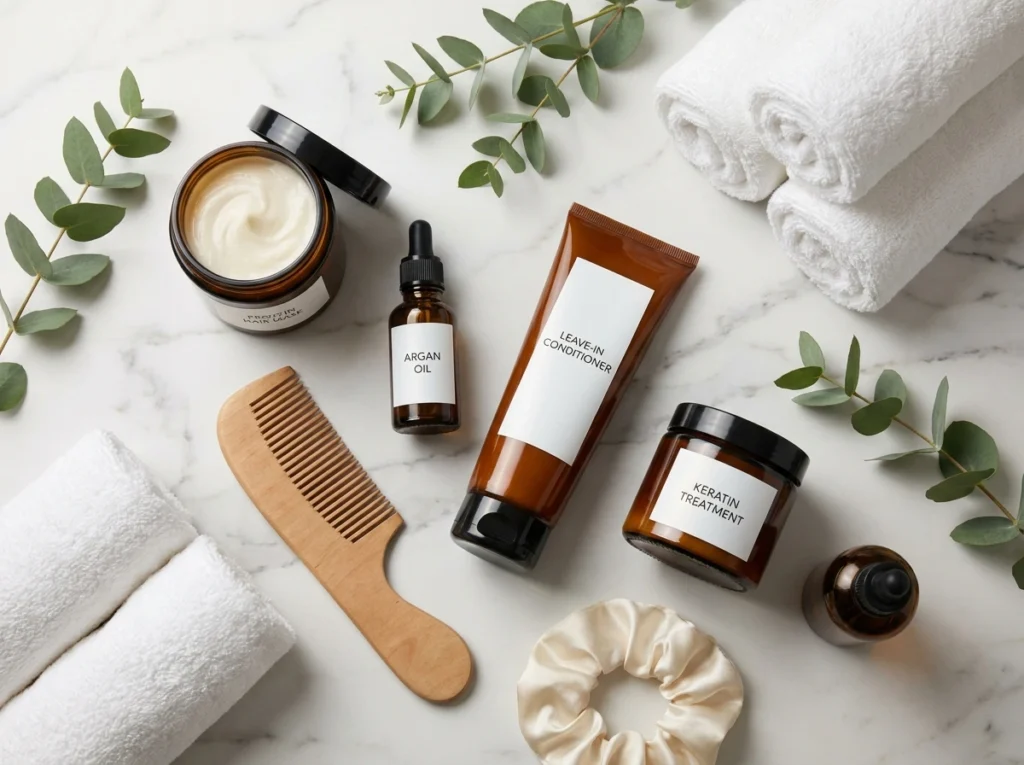
Healthy hair needs the right balance of protein and moisture. While moisturizing products help keep hair soft and flexible, protein helps strengthen the hair shaft and support its structure.
Over time, daily styling, coloring, bleaching, heat tools, and environmental damage can weaken the hair. When this happens, protein treatments may help temporarily reinforce damaged strands and reduce breakage. However, using too much protein can also leave hair feeling stiff or brittle.
In this guide, you’ll learn the signs your hair needs protein, how to tell the difference between protein deficiency and moisture deficiency, and how to restore balance for healthier, stronger hair.
Table of Contents
Why Protein Is Important for Hair
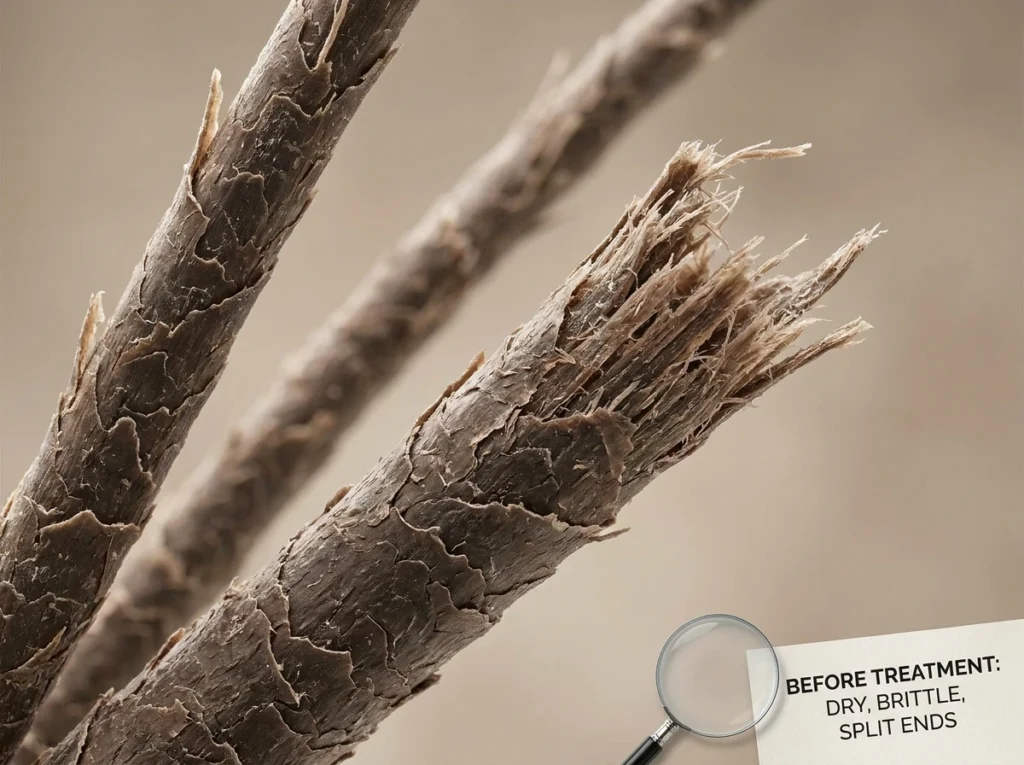
Hair is made primarily of a structural protein called keratin. Everyday wear and tear can damage the hair cuticle, making strands weaker and more prone to breakage.
Protein treatments work by temporarily coating and reinforcing damaged areas of the hair shaft, helping hair feel stronger and appear smoother.
Benefits may include:
- Reduced breakage
- Improved strength
- Better elasticity
- Smoother appearance
- Increased shine
Signs Your Hair Needs Protein
1. Hair Breaks Easily
One of the most common signs is excessive breakage.
If your hair snaps while brushing or styling, it may need additional strengthening.
2. Hair Feels Mushy When Wet
Healthy hair stretches slightly when wet.
If your hair feels overly soft, gummy, or mushy before breaking, it may have lost structural strength.
3. Excessive Stretching
Hair should stretch a little before returning to its original shape.
If it stretches too much and then snaps, protein may help improve its strength.
4. Split Ends Everywhere
Frequent split ends may indicate damage from heat styling, chemical treatments, or mechanical stress.
Regular trims are essential, but strengthening treatments may also help reduce future breakage.
5. Hair Looks Limp
Hair that has lost structure often appears flat and lifeless.
Protein treatments can sometimes improve body and texture in damaged hair.
6. Weak Elasticity
A simple stretch test can provide clues.
Take a clean strand of wet hair and gently stretch it.
- Slight stretch, then returns = healthy elasticity
- Stretches a lot and breaks = may need protein
- Snaps immediately = may need moisture or could be severely damaged
7. Frequent Heat Styling Damage
Regular use of:
- Flat irons
- Curling irons
- Blow dryers
can gradually weaken the hair cuticle.
Protein treatments may help improve the appearance of heat-damaged hair.
8. Hair Has Been Bleached or Colored
Chemical treatments can make hair more porous and fragile.
Many color-treated hair products include proteins to help support damaged strands.
9. Increased Hair Shedding from Breakage
It’s important to distinguish breakage from hair shedding.
- Hair shedding: A full strand with a small white bulb at one end, which is a normal part of the hair growth cycle.
- Hair breakage: Shorter pieces that snap off without the bulb, often due to damage.
Protein treatments target breakage, not the natural shedding process.
10. Hair Feels Thin and Fragile
If your hair feels weaker than usual despite regular conditioning, it may benefit from a strengthening routine.
Protein vs. Moisture: How to Tell the Difference
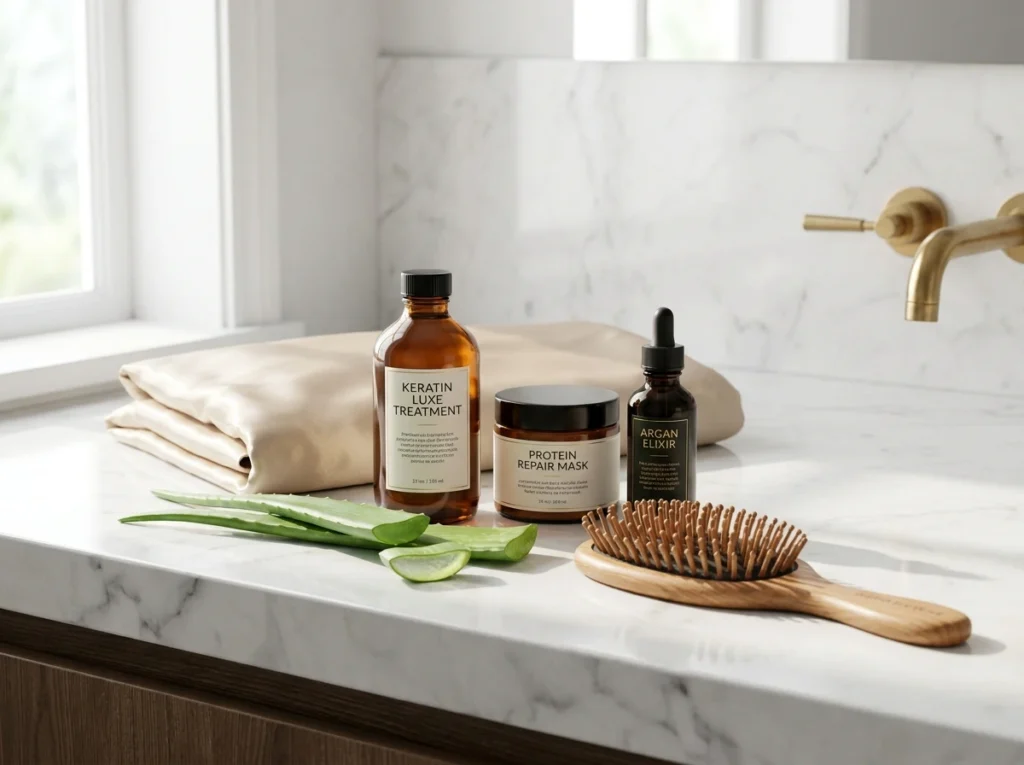
Understanding whether your hair needs protein or moisture is key.
| Hair Needs Protein | Hair Needs Moisture |
|---|---|
| Breaks easily | Feels dry |
| Overstretches | Rough texture |
| Mushy when wet | Frizzy |
| Weak structure | Dull appearance |
| Chemically damaged | Difficult to manage |
Some hair needs both protein and moisture, especially after bleaching or frequent heat styling.
Who Benefits Most from Protein Treatments?
Protein treatments are often helpful for:
- Bleached hair
- Color-treated hair
- Heat-damaged hair
- Chemically treated hair
- Hair with frequent breakage
- Highly porous hair
People with healthy, undamaged hair may not need protein treatments as often.
Best Protein Ingredients
Look for products containing:
Hydrolyzed Keratin
Helps temporarily strengthen damaged hair.
Hydrolyzed Wheat Protein
Improves the appearance of weak strands.
Silk Protein
Leaves hair smoother and shinier.
Collagen
Can help improve the feel of damaged hair when included in conditioning products.
Rice Protein
Adds lightweight strength and volume.
How Often Should You Use Protein Treatments?
The right frequency depends on your hair’s condition.
General guidelines:
- Healthy hair: Every 4–6 weeks if needed
- Slightly damaged hair: Every 2–4 weeks
- Highly damaged hair: Follow product directions and alternate with moisturizing treatments
Using protein too often may lead to stiffness or dryness.

Signs of Protein Overload
Too much protein can make hair feel:
- Dry
- Stiff
- Brittle
- Rough
- Difficult to style
If this happens, focus on moisturizing conditioners and reduce protein treatments until your hair regains balance.
Building a Balanced Hair Routine
Wash Day
- Gentle shampoo
- Protein conditioner or mask (if needed)
- Moisturizing conditioner
- Leave-in conditioner
Weekly
- Deep moisturizing mask
- Protein treatment only when appropriate
- Lightweight hair oil on the ends
Daily
- Gentle brushing
- Heat protection
- Avoid excessive heat styling
Common Mistakes
Avoid these habits:
- Using protein treatments every wash
- Ignoring moisture
- Applying too many strengthening products at once
- Overusing heat tools
- Skipping regular trims
- Using harsh shampoos on damaged hair
Frequently Asked Questions
How do I know if my hair needs protein?
Common signs include excessive breakage, hair that stretches too much when wet, weak elasticity, and damage from coloring or heat styling.
Can too much protein damage hair?
Using protein treatments more often than needed may make hair feel stiff, dry, or brittle. Balance protein with moisturizing products.
Is protein good for curly hair?
Curly hair can benefit from protein if it is damaged or weak, but many curly hair types also require consistent moisture to stay soft and defined.
How long does it take to see results?
Many people notice stronger-feeling hair after one or two protein treatments, while ongoing improvement depends on consistent care and minimizing further damage.
Final Thoughts
Recognizing the signs your hair needs protein can help you choose the right treatments before damage becomes more severe. If your hair breaks easily, feels overly stretchy when wet, or has been weakened by heat or chemical processing, a protein treatment may help reinforce the hair shaft and improve its appearance.
The key is balance. Healthy hair needs both protein for strength and moisture for flexibility. By alternating strengthening treatments with hydrating products and following a gentle hair care routine, you can keep your hair looking stronger, shinier, and healthier over time.