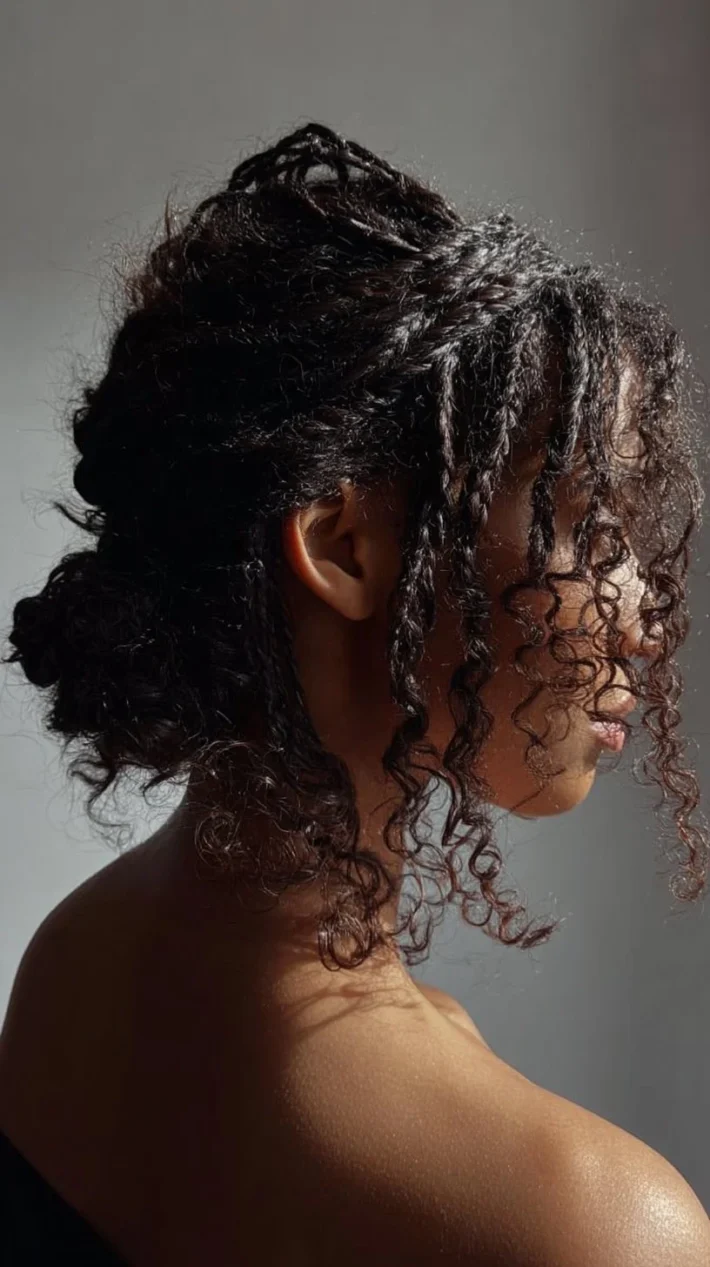
15 BEST PROTECTIVE HAIRSTYLES FOR NATURAL HAIR IN THE UK 2025
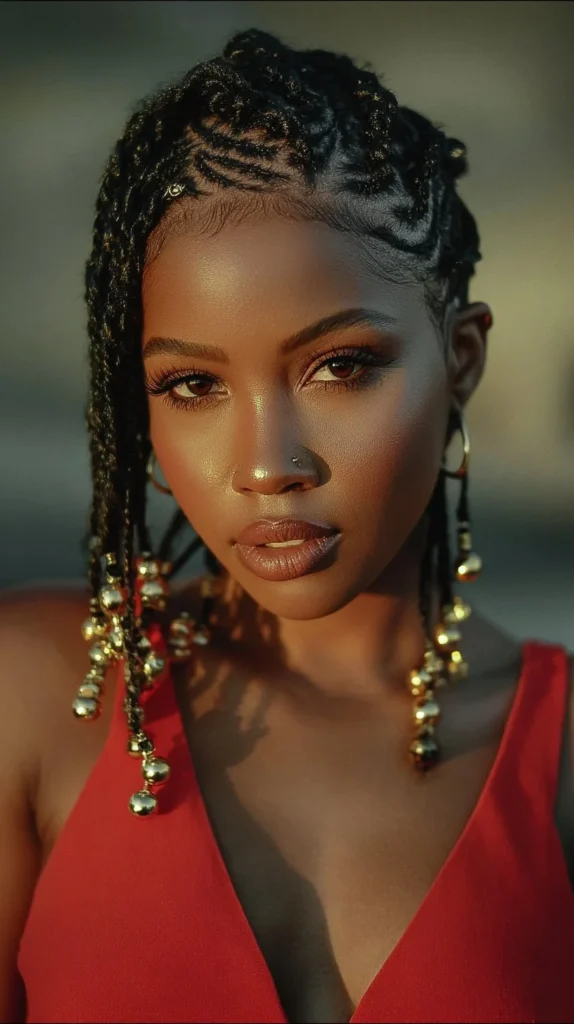
15 Best Protective Hairstyles for Natural Hair in the UK — 2025 Guide
Protective hairstyles are essential for retaining length, reducing breakage, and giving natural hair the rest it needs from daily styling. Whether you live in London, Manchester, or a smaller UK town, the right protective style can fit your lifestyle, climate, and aesthetic. Before we dive in, these practical simple hair care tips for healthy hair will help you prepare and maintain any protective look.
Below are 15 tried-and-tested protective styles with why they work, styling notes, and maintenance tips tailored for natural hair in the UK climate.
Braids & Plaits
- Box Braids
- Why: Long-lasting, versatile—can be worn up, down, or styled into ponytails and buns.
- Tip: Keep the roots moisturised and don’t install too tightly to avoid traction alopecia.
- Cornrows
- Why: Low-manipulation and great for active lifestyles or layered styling.
- Tip: Alternate cornrow parts and refresh edges gently with a silk scarf.
- Goddess Braids
- Why: Larger, softer braids that are gentler on fragile edges.
- Tip: Use lightweight oils and avoid heavy gels at the scalp to prevent buildup.
- Feed-in Braids
- Why: More natural root appearance and reduced tension.
- Tip: Ask your stylist to use the feed-in method to protect edges and reduce stress.
Twists & Rope Styles
- Two-Strand Twists
- Why: Simple, inexpensive, and a protective nightly style for curl retention.
- Tip: Twist with a slip of conditioner or cream for smoother twists and less frizz.
- Senegalese / Havana / Marley Twists
- Why: Provide length and textured looks while keeping hair tucked away.
- Tip: Choose synthetic hair with a texture close to your natural hair to reduce friction.
- Kinky Twists
- Why: Lightweight and more natural-looking for 4C textures.
- Tip: For inspiration on styling texture-forward twists, consider ideas for matching nails and aesthetics such as Latina nail ideas for 2025 when planning an overall look.
Locs, Faux Locs & Extensions
- Faux Locs
- Why: Give the look of mature locs without the years of commitment.
- Tip: Keep the scalp clean and moisturised; remove if you notice persistent itching or tightness.
- Sisterlocks & Starter Locs
- Why: Long-term, low-manipulation option for those ready for committed maintenance.
- Tip: Regular retightening by a certified loctician prevents matting and preserves shape.
- Crochet Braids
- Why: Fast install and easy removal; good for experimenting with different textures.
- Tip: Use a breathable cap and don’t leave in longer than recommended to prevent matting.
Updos & Low-Manipulation Styles
- Low Bun / Sleek Low Ponytail
- Why: Minimal tension when done gently, great for professional settings.
- Tip: Protect edges with a light scarf overnight and alternate bun positions.
- Halo Braid / Crown Braid
- Why: Elegant protective style that distributes tension across the head.
- Tip: Ideal for special events—secure loosely and use non-abrasive pins.
- Bantu Knots (Tucked)
- Why: Can be worn as knots or untucked later for curls; protects ends nicely.
- Tip: Moisturise before styling and avoid over-tightening the knots.
Short-Term & Heat-Free Options
- Wig Install (Protective Base)
- Why: Instant change without manipulating natural hair daily; excellent for short-term protective wear.
- Tip: Maintain a moisturised, braided or cornrowed base under the wig and cleanse scalp regularly.
- Pineapple / Nighttime Styles
- Why: Not a daytime protective style per se, but crucial nightly protection that preserves your daytime styles.
- Tip: Use satin scarves or bonnets and pillowcases to reduce friction and keep curls defined.
Maintenance & Seasonal Care
- Scalp Health: In the UK’s cool, sometimes damp climate, keep the scalp moisturised but dry enough to prevent mildew under heavy styles.
- Gentle Cleansing: Use diluted shampoos or co-wash and rinse the scalp thoroughly; repeat every 1–3 weeks depending on the style.
- Night Care: Always sleep with satin or silk to minimize friction and frizz.
- Refreshing: Use a light spray of leave-in and a bit of oil along braids or twists to keep them looking fresh.
- Styling Frequency: Rotate styles every 6–10 weeks depending on hair health and tension.
For tips on styling complementary seasonal looks, pairing your protective hair with accessories, or exploring colour changes safely, you may find inspiration in styling and seasonal trends like winter neutral nails for the cold season and subtle colour statements from fresh hair color ideas. And if you want matchy-matchy manicure ideas for a special event while wearing a protective style, check out this pink birthday nail inspiration guide for quick ideas.
How to Choose the Right Style for You
- Consider hair health first: If your ends are damaged, choose styles that tuck ends away.
- Lifestyle fit: Athletes may prefer cornrows or braid styles that stay in place; busy professionals might opt for wigs or low buns.
- Climate: In autumn and winter, avoid styles that hold moisture too close to the scalp for long periods.
- Maintenance commitment: Be realistic about how often you’ll refresh or remove the style.
Conclusion
For a full photo-packed overview of protective options and step-by-step ideas tailored to Black and natural hair textures, see this curated list of protective styles compiled for UK readers: 15 BEST PROTECTIVE HAIRSTYLES FOR NATURAL HAIR IN THE ….
If you’re specifically exploring low-maintenance growth styles, there’s a helpful breakdown of low-maintenance protective hairstyles and growth tips available here: 15 Protective Hairstyles for Natural Hair: Low-Maintenance Growth ….
Want ideas that mix ponytail aesthetics with protective approaches? This UK-focused ponytail guide shows how to keep ponytails protective and stylish: 15 BEST PONYTAIL HAIRSTYLES FOR BLACK HAIR IN 2025 UK.
For inspiration using kinky twists and textured updos, browse a variety of looks and tutorials that pair well with natural protective styling choices: Hairstyles With Kinky Twist: 15 Best Hairstyles In 2025 Vin Hair |.
With these options and care tips, you can choose a protective style that keeps your hair healthy, sustainable, and stylish throughout 2025.